Best Natural Sounds for Tinnitus Relief
Expert Summary: Natural sounds cannot cure tinnitus, but they may help reduce awareness of ear ringing by providing gentle background noise. This guide explores popular sound options, including white noise, rainfall, ocean waves, and nature sounds, to help you find what works best for relaxation and sleep.
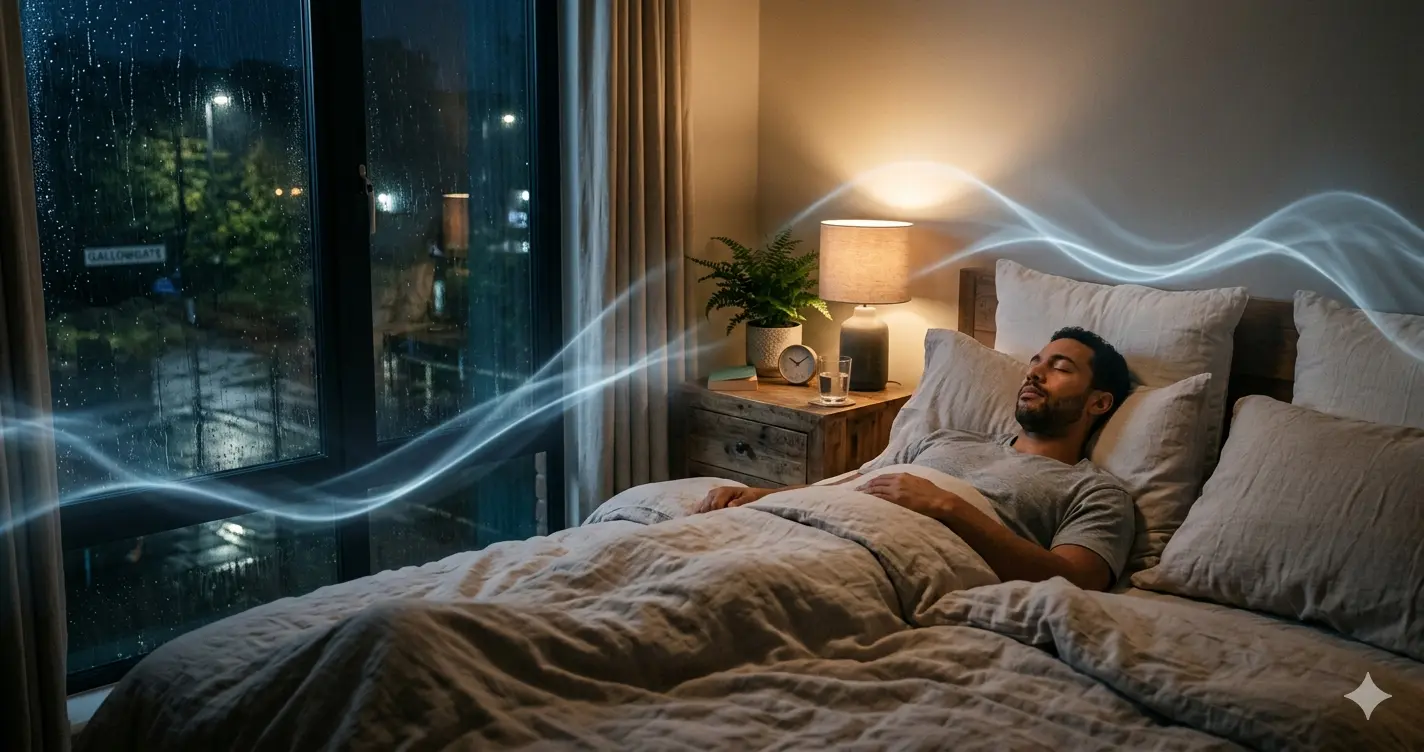
Tinnitus can feel even louder when your environment becomes quiet. Many people notice ear ringing more during the evening, while trying to focus, or before falling asleep. Natural sound therapy is one of the simplest ways to make tinnitus feel less overwhelming.
The good news is that you do not always need expensive devices or complicated treatments. Gentle background sounds may help shift your attention away from ringing and create a calmer listening environment for your brain.
Quick Answer
The best natural sounds for tinnitus relief often include rainfall, ocean waves, flowing water, forest sounds, soft wind, and gentle nighttime ambience. These sounds may help reduce the contrast between silence and ear ringing, especially during sleep or relaxation.
What This Guide Covers
- Why natural sounds may help tinnitus
- Best relaxing sounds for sleep and stress
- How sound masking works
- When to use background sounds
- Tips for nighttime tinnitus relief
Why Natural Sounds Can Help Tinnitus
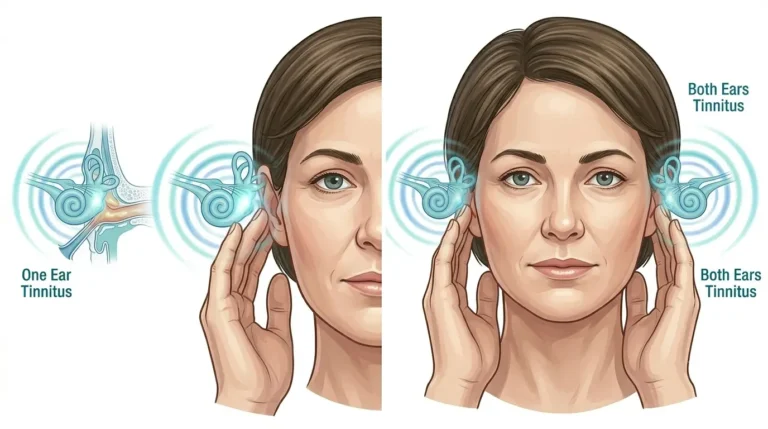
Tinnitus often feels stronger in silent environments. When there is little background noise, your brain may focus more on internal sounds like ringing, buzzing, or humming.
Natural sound therapy works by gently adding external sound to the environment. This does not usually “cure” tinnitus, but it may help make the ringing feel less noticeable and easier to ignore.
Many people also find natural sounds emotionally calming. Stress and anxiety can sometimes increase tinnitus awareness, so relaxation itself may indirectly help.
For many people, the goal is not complete silence — it is creating a calmer sound environment.
Best Natural Sounds for Tinnitus Relief
1. Rainfall Sounds
Soft rainfall is one of the most popular tinnitus masking sounds. Gentle rain creates a consistent background noise without feeling harsh or distracting.
Rain sounds may work especially well at bedtime because they are predictable and soothing.
2. Ocean Waves
Ocean sounds create a natural rhythm that many people find relaxing. The repeating movement of waves can help shift attention away from ringing sensations.
Some people prefer softer beach waves while others enjoy stronger rolling surf.
3. Flowing Water or Streams
Flowing rivers, creeks, and waterfalls provide a layered natural sound that may help blend with tinnitus frequencies.
These sounds often work well for focus, reading, meditation, or daytime relaxation.
4. Forest and Nature Ambience
Birdsong, rustling leaves, insects, and soft wind can create a calming environment that feels less clinical than artificial noise machines.
Natural ambience may also help reduce stress levels during busy days.
5. White Noise
White noise is not technically a natural sound, but many tinnitus sufferers use it successfully. White noise creates a steady audio layer that can help cover ringing sensations.
Some people prefer softer alternatives like:
- Pink noise
- Brown noise
- Soft fan sounds
- Air purifier sounds
Which Sound Works Best?
There is no single best sound for everyone. Tinnitus varies from person to person, and different frequencies may respond better to different sound types.
You may need to experiment with:
- Volume level
- Sound texture
- Consistency
- Pitch
- Daytime vs nighttime use
The goal is usually gentle blending — not completely overpowering the tinnitus.
If you often notice tinnitus more in quiet environments, you may be interested in Is Silence Bad for Tinnitus?
How to Use Sounds Safely
Natural sound therapy should feel calming, not overwhelming. Keep volume at a comfortable level and avoid extremely loud audio for long periods.
Helpful options include:
- Sound machines
- Phone apps
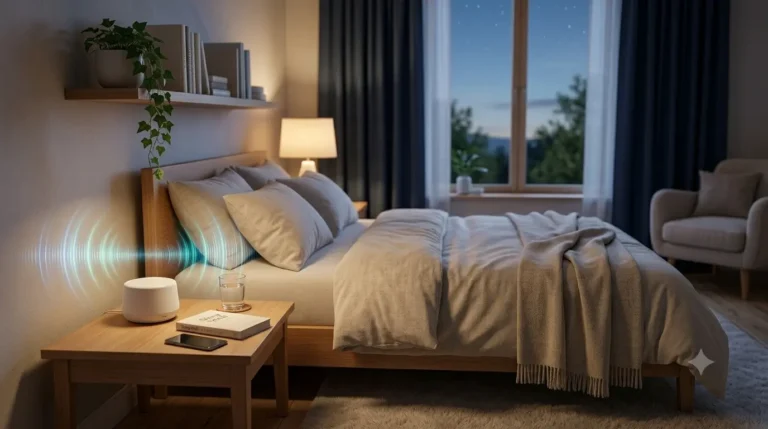
- Smart speakers
- Fans or humidifiers
- Sleep headphones
If using earbuds or headphones, avoid high volume levels, especially while sleeping.
Best Sounds for Sleep and Nighttime Tinnitus
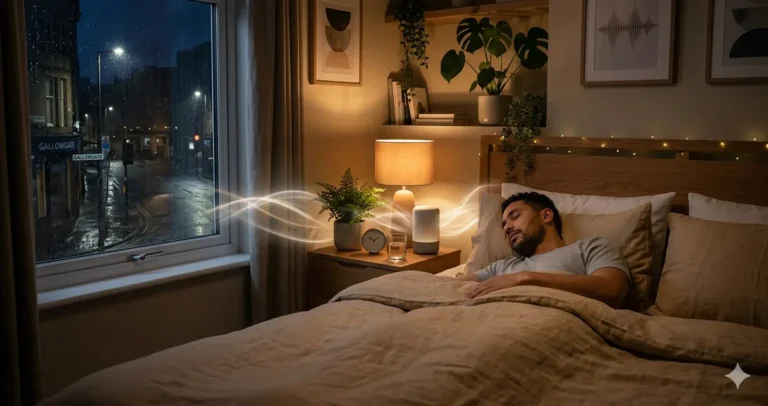
Many people struggle most with tinnitus while trying to fall asleep. The quiet nighttime environment can make ringing feel much louder.
Popular nighttime sound choices include:
- Soft rain
- Brown noise
- Ocean waves
- Wind ambience
- Distant thunder
- Gentle forest sounds
Pairing calming audio with healthy sleep habits may further improve comfort.
Other Habits That May Support Tinnitus Relief
Natural sounds work best when combined with healthy daily habits.
- Reduce stress levels
- Maintain regular sleep routines
- Stay hydrated
- Avoid excessive noise exposure
- Limit stimulants close to bedtime
- Practice mindfulness or relaxation techniques
When to Seek Professional Advice
If tinnitus becomes severe, sudden, painful, or associated with hearing loss, dizziness, or balance problems, it is important to speak with a healthcare professional.
Persistent tinnitus may sometimes require hearing evaluations or additional medical assessment.
Key Takeaways
- Natural sounds may help reduce tinnitus awareness
- Rainfall, ocean waves, and flowing water are popular choices
- Background sound may be especially helpful at night
- The best sound varies from person to person
- Healthy sleep and stress management may also support relief
Medical Disclaimer: This content is for educational and informational purposes only and is not medical advice. Always consult a qualified healthcare professional regarding hearing concerns, tinnitus symptoms, or medical conditions.
Frequently Asked Questions
Can natural sounds cure tinnitus?
Natural sounds do not usually cure tinnitus, but they may help reduce awareness and improve relaxation.
What is the best sound frequency for tinnitus?
There is no universal frequency that works for everyone. Many people experiment with rain sounds, white noise, or soft nature ambience.
Should I sleep in complete silence with tinnitus?
Many tinnitus sufferers find complete silence uncomfortable. Gentle background sound may help create a more relaxing sleep environment.
Are sound machines worth trying?
Many people find sound machines helpful because they provide consistent background audio for sleep and relaxation.
Can stress make tinnitus feel louder?
Yes. Stress and anxiety may increase tinnitus awareness in some individuals.
Combining sound therapy with a calming evening routine can be helpful. See How to Calm Tinnitus Before Bed for additional ideas.
Medical Sources Reviewed
- National Institute on Deafness and Other Communication Disorders (NIDCD)
- NHS
- Mayo Clinic
- Cleveland Clinic
- World Health Organisation (WHO Safe Listening Initiative)
Conclusion
Natural sounds can provide a simple and calming way to make tinnitus feel more manageable. Whether you prefer rainfall, ocean waves, soft wind, or flowing streams, the right background sound may help reduce the intensity of silence and improve relaxation.
While sound therapy is not a cure, it can become an important part of a healthy tinnitus wellness routine — especially during stressful days or quiet nights.
👉 Download the Free 7-Day Tinnitus Relief Plan
Get beginner-friendly wellness strategies designed to support better sleep, reduced stress, and healthier daily habits naturally.