Can Headphones Make Tinnitus Worse? Safe Listening Tips Explained
Expert Summery: Headphones do not directly cause tinnitus, but loud listening habits may worsen symptoms or contribute to hearing damage over time. Learn how to use headphones safely, whether noise-cancelling models help, and the best listening habits for protecting your hearing.
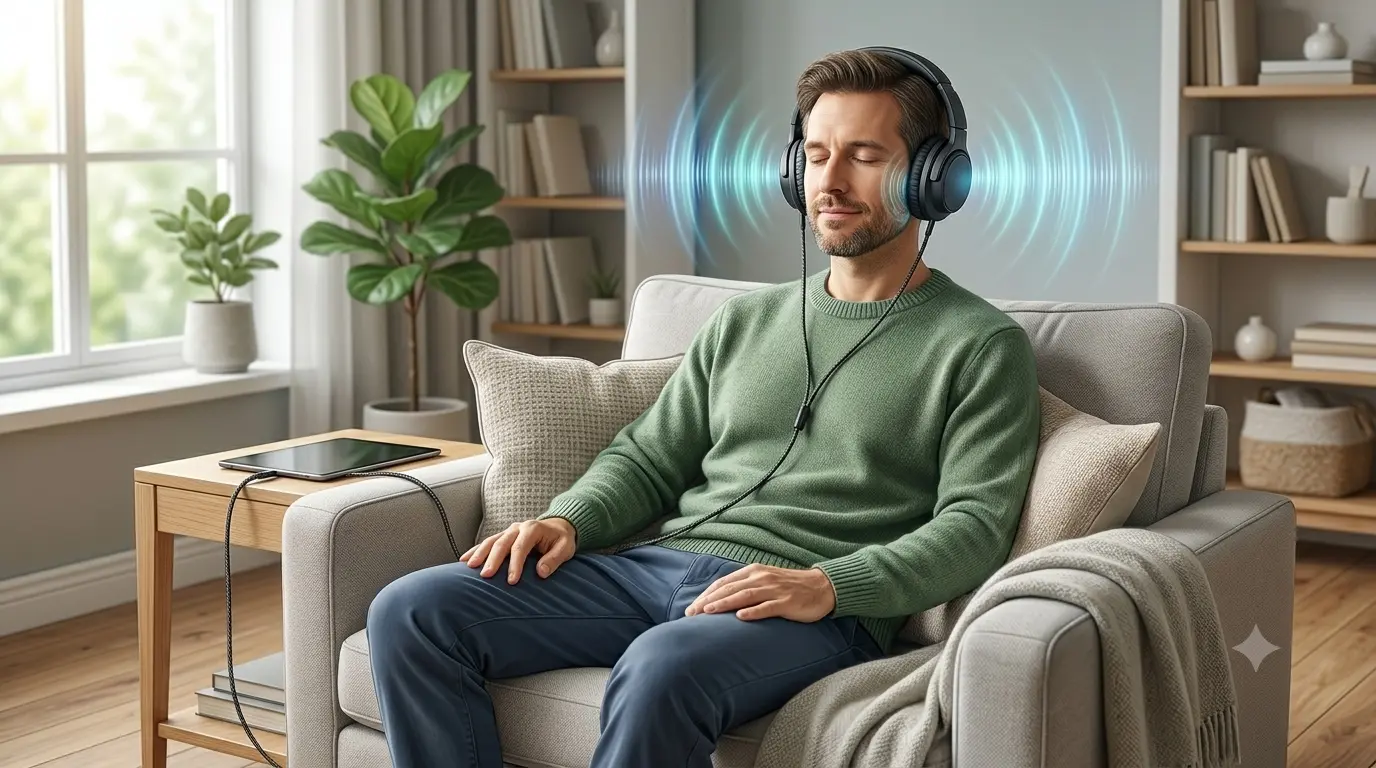
Tinnitus affects millions of people worldwide and is often described as ringing, buzzing, humming, hissing, or other sounds that occur without an external source.
For many people, headphones are part of everyday life. Whether listening to music, watching videos, working remotely, gaming, or taking phone calls, headphones have become nearly indispensable.
If you have tinnitus, you may wonder whether headphones are making your symptoms worse. Some people notice ringing after wearing headphones, while others worry that continued headphone use could cause permanent hearing damage.
The good news is that headphones do not automatically worsen tinnitus. However, how you use them can make a significant difference.
Understanding the relationship between headphones, hearing health, and tinnitus can help you make informed decisions while continuing to enjoy your favourite audio content safely.
Quick Answer
Headphones do not directly cause tinnitus in most people. However, listening at high volumes for extended periods can damage hearing and potentially worsen existing tinnitus. Safe listening habits, lower volume levels, regular listening breaks, and proper headphone selection can help reduce the risk.
What This Guide Covers
- Whether headphones can cause tinnitus
- How headphones may affect existing tinnitus
- The difference between earbuds and over-ear headphones
- Safe listening volume recommendations
- Signs your listening habits may be affecting your hearing
- Whether noise-cancelling headphones can help
- Practical tips for safer headphone use
- When to seek medical advice
What Is Tinnitus?
Tinnitus is the perception of sound without an external source.
People commonly describe tinnitus as:
- Ringing
- Buzzing
- Humming
- Hissing
- Clicking
- Roaring
- Whistling
- Pulsing
The sound may affect one ear, both ears, or seem to come from inside the head.
Some people hear tinnitus only occasionally, while others experience symptoms throughout the day.
If you are unsure whether what you’re hearing is tinnitus, read our guide on What Does Tinnitus Sound Like? Common Ringing, Buzzing and Humming Explained.
Can Headphones Cause Tinnitus?
While headphones themselves are not the direct cause of tinnitus, repeated exposure to loud sounds can contribute to hearing damage, which is one of the most common factors associated with tinnitus.
The real issue is exposure to excessive sound levels.
The auditory system contains tiny sensory cells inside the inner ear known as hair cells. These cells help convert sound vibrations into signals that the brain interprets as sound.
Unlike many other cells in the body, damaged hair cells do not regenerate.
Repeated exposure to loud sounds may gradually damage these delicate structures.
Over time, this can contribute to:
- Hearing loss
- Increased sound sensitivity
- Temporary ringing in the ears
- Chronic tinnitus
In many cases, the risk comes from listening habits rather than the headphones themselves.
For example:
- Listening at maximum volume
- Wearing headphones for many hours without breaks
- Using headphones in noisy environments
- Frequently increasing volume to overcome background noise
These behaviours may increase the risk of hearing-related problems over time.
Can Headphones Make Existing Tinnitus Worse?
Yes, they can.
For people who already have tinnitus, loud headphone use may temporarily increase symptoms.
Many individuals report that tinnitus seems louder after:
- Long listening sessions
- Loud music
- Gaming with high-volume headsets
- Watching movies at excessive volume
- Attending virtual meetings with loud audio settings
This temporary increase is sometimes referred to as a tinnitus spike.
A tinnitus spike does not necessarily mean permanent damage has occurred.
However, repeated spikes may indicate that the auditory system is becoming stressed by excessive sound exposure.
If you notice ringing after using headphones, consider:
- Lowering volume levels
- Taking more frequent breaks
- Reducing listening duration
- Using noise-cancelling features when appropriate
How Loud Is Too Loud?
One of the biggest misconceptions is that only extremely loud sounds damage hearing.
In reality, both volume and duration matter.
A moderately loud sound listened to for many hours may be just as problematic as a very loud sound listened to briefly.
Many hearing experts recommend following the 60/60 rule:
- Listen at no more than 60% of maximum volume
- Limit continuous listening sessions to around 60 minutes before taking a break
While this rule is not a strict medical guideline, it provides a useful starting point for safer listening habits.
Warning signs that volume may be too high include:
- Ringing after listening
- Temporary muffled hearing
- Ear fatigue
- Needing to raise your voice while wearing headphones
- Discomfort during or after listening
If you regularly experience these symptoms, your listening volume may be higher than your ears can comfortably tolerate.
What is the 85 dB Rule?
Many hearing health organisations suggest limiting prolonged exposure to sounds above 85 decibels (dB). While most people do not know the exact volume level of their headphones, this guideline highlights the importance of avoiding excessively loud listening sessions. The louder the sound, the shorter the safe listening time. For reference, heavy city traffic can reach around 85 dB, while many smartphones and music players can exceed safe listening levels when used at maximum volume.
Are Earbuds Worse Than Over-Ear Headphones?
This is one of the most common questions people with tinnitus ask.
The answer depends more on listening habits than device type.
Earbuds
Earbuds sit directly inside or near the ear canal.
Potential concerns include:
- Audio delivered closer to the eardrum
- Greater temptation to increase volume in noisy environments
- Less passive noise isolation in some models
However, earbuds are not automatically harmful when used responsibly.
Over-Ear Headphones
Over-ear headphones surround the ears rather than sitting inside the ear canal.
Benefits may include:
- Better sound distribution
- Greater comfort during longer listening sessions
- Improved passive noise isolation
- A reduced need for excessive volume
Many people with tinnitus find over-ear models more comfortable for extended use.
Which Is Better?
Neither option is inherently dangerous.
The most important factors remain:
- Volume level
- Listening duration
- Overall hearing protection habits
A person using earbuds at low volume may be safer than someone using expensive over-ear headphones at maximum volume.
Signs Your Headphones May Be Affecting Your Hearing
Your ears often provide warning signs before significant hearing damage develops.
Pay attention if you regularly experience:
- Ringing after listening sessions
- Temporary muffled hearing
- Ear discomfort
- Increased tinnitus awareness
- Difficulty hearing conversations after headphone use
- Sensitivity to sound
- A feeling of fullness in the ears
In some cases, underlying ear issues such as earwax buildup can also affect hearing and make tinnitus seem more noticeable. You may find our guide on Can Earwax Cause Tinnitus? helpful.
These symptoms do not necessarily indicate permanent damage.
However, they may suggest that your ears need more recovery time or that your listening habits should be adjusted.
For some people, tinnitus may become more noticeable during periods of physical or mental stress as well. If stress seems to make your symptoms more noticeable, read our guide on
Can Stress Make Tinnitus Worse? Understanding the connection
Can Listening to Music Be Safe If You Have Tinnitus?
In most cases, yes.
Having tinnitus does not automatically mean you must stop listening to music.
Many people with tinnitus continue to enjoy music safely by paying attention to volume levels and listening habits.
In fact, some people find that music can help reduce awareness of tinnitus by providing pleasant external sounds for the brain to focus on.
The key is moderation.
To listen more safely:
- Keep volume at comfortable levels
- Avoid prolonged listening sessions
- Take regular breaks
- Avoid turning up the volume to block out tinnitus
- Consider noise-cancelling headphones in noisy environments
If you notice that tinnitus consistently becomes louder after listening to music, consider reducing the volume or shortening listening sessions.
Best Headphone Habits for People With Tinnitus
Good listening habits can help protect hearing and reduce the risk of worsening tinnitus.
Follow the 60/60 Rule
A useful guideline is:
- No more than 60% volume
- No more than 60 minutes at a time before taking a break
Take Listening Breaks
Your ears benefit from periods of quiet recovery.
Even short breaks can help reduce auditory fatigue.
Avoid Maximum Volume
Repeated exposure to very loud audio can place unnecessary stress on the hearing system.
Use Noise-Cancelling Features
Noise-cancelling headphones may help reduce the need to increase volume in noisy environments.
Monitor Your Symptoms
Pay attention to how your ears feel after listening.
If you regularly experience:
- Ringing
- Ear fatigue
- Temporary hearing changes
- Increased tinnitus awareness
It may be worth adjusting your listening habits.
Protect Your Hearing in Daily Life
Headphones are not the only source of noise exposure.
Protect your hearing around:
- Power tools
- Concerts
- Sporting events
- Loud workplaces
- Fireworks
- Motorcycles
Long-term hearing health depends on your overall noise exposure, not just headphone use.
Can Noise-Cancelling Headphones Help Tinnitus?
For some people, yes.
Noise-cancelling headphones do not treat tinnitus directly, but they may offer several benefits.
Potential advantages include:
- Lower listening volumes
- Reduced background noise
- Less listening fatigue
- Improved concentration
- More comfortable travel experiences
Because surrounding noise is reduced, many people find they can listen comfortably without turning the volume excessively high. This may help reduce overall sound exposure throughout the day, which is beneficial for long-term hearing health.
However, some tinnitus sufferers report that complete silence makes tinnitus more noticeable.
If this happens, gentle background sounds may be helpful.
Many people already use nature sounds, rain sounds, or white noise to reduce tinnitus awareness.
You may also find our guide on Best Natural Sounds for Tinnitus Relief useful.
Common Myths About Headphones and Tinnitus
Myth #1: Headphones Always Cause Tinnitus
False.
Headphones themselves do not cause tinnitus.
Excessive volume and prolonged exposure are the primary concerns.
Myth #2: Earbuds Are Always Dangerous
False.
Earbuds can be used safely when volume levels remain reasonable.
Myth #3: If Your Ears Ring Once, You’ve Caused Permanent Damage
Not necessarily.
Temporary ringing can occur after loud sound exposure.
However, repeated episodes should be taken seriously.
Myth #4: People With Tinnitus Should Never Listen to Music
False.
Many people with tinnitus continue to enjoy music safely.
The focus should be on safe listening habits rather than complete avoidance.
Myth #5: Noise-Cancelling Headphones Cure Tinnitus
False.
Noise-cancelling headphones may help some people manage listening environments more comfortably, but they do not cure tinnitus.
Can Gaming Headsets Make Tinnitus Worse?
Gaming headsets deserve special mention because many people wear them for several hours at a time.
Potential risks include:
- Extended listening sessions
- Loud game audio
- Sudden sound effects
- Voice chat volume spikes
Gamers can reduce risk by:
- Lowering master volume
- Taking breaks every hour
- Using volume limit settings
- Avoiding excessively loud sound effects
The issue is usually the listening duration and volume rather than the headset itself.
Why Does Tinnitus Sometimes Feel Worse After Headphone Use?
Several factors may contribute.
These include:
- Temporary auditory fatigue
- Listening at excessive volume
- Increased awareness in quiet environments
- Existing hearing sensitivity
- Stress and mental fatigue
Many people also notice that tinnitus feels louder when they are tired.
Poor sleep can affect how the brain processes tinnitus.
For more information, see our article Can Lack of Sleep Make Tinnitus Worse?
When to Seek Medical Advice
Occasional tinnitus awareness after listening does not automatically indicate a serious problem.
However, professional evaluation may be appropriate if:
- Tinnitus develops suddenly
- Symptoms significantly worsen
- Ringing persists after noise exposure
- Hearing loss develops
- Dizziness accompanies symptoms
- Tinnitus affects only one ear
- Symptoms interfere with daily life
If tinnitus affects only one side, you may also find our guide Tinnitus in One Ear vs Both Ears: What Does It Mean? helpful.
Early evaluation can help identify possible underlying causes and provide reassurance.
Key Takeaways
- Headphones themselves do not cause tinnitus.
- Excessive volume is the primary concern.
- Long-term loud listening can contribute to hearing damage.
- Existing tinnitus may temporarily feel worse after loud headphone use.
- Noise-cancelling headphones may help some people listen at safer volumes.
- Taking listening breaks can help protect hearing health.
- If tinnitus suddenly worsens after noise exposure, professional advice may be appropriate.
Medical Disclaimer: This content is for educational and informational purposes only and is not medical advice. Always consult a qualified healthcare professional regarding hearing concerns, tinnitus symptoms, or medical conditions.
Frequently Asked Questions
Can headphones cause permanent tinnitus?
Repeated exposure to loud audio may contribute to hearing damage and tinnitus. The risk depends largely on volume and listening duration.
Can headphones make existing tinnitus worse?
Yes. Loud listening sessions may temporarily increase tinnitus symptoms.
Are earbuds worse than over-ear headphones?
Not necessarily. Safe listening habits are generally more important than the type of device.
Can I still listen to music if I have tinnitus?
In many cases, yes. Most people can continue listening safely with reasonable volume levels.
Why do my ears ring after using headphones?
This may occur when sound levels are too high or when listening sessions are too long.
Can noise-cancelling headphones help tinnitus?
They may help some people by reducing background noise and allowing lower listening volumes.
What volume is considered safe?
Many experts recommend keeping volume below approximately 60% of maximum whenever possible.
Can gaming headsets worsen tinnitus?
Extended use at high volume levels may increase tinnitus symptoms in some individuals.
Should I stop using headphones completely?
Most people do not need to stop using headphones entirely. Safer listening habits are usually more important.
Can reducing headphone use improve tinnitus?
If excessive sound exposure is contributing to symptoms, reducing volume and listening time may help prevent further aggravation.
Medical Sources Reviewed
- National Institute on Deafness and Other Communication Disorders (NIDCD)
- NHS
- Mayo Clinic
- Cleveland Clinic
- World Health Organisation (WHO Safe Listening Initiative)
Final Thoughts
Headphones do not automatically cause tinnitus, nor do they necessarily make existing tinnitus worse.
The real concern is how headphones are used.
Listening at excessive volumes for long periods can place stress on the hearing system and may contribute to hearing-related tinnitus over time.
Fortunately, simple habits such as lowering volume, taking listening breaks, and protecting your hearing in noisy environments can significantly reduce risk.
If you already have tinnitus, you do not necessarily need to give up music, podcasts, gaming, or other audio activities. Safe listening practices can help you continue enjoying these activities while supporting long-term hearing health.
Remember that tinnitus is influenced by many factors beyond sound exposure alone. Stress, sleep quality, hearing health, and overall wellness can all affect how noticeable tinnitus feels from day to day.
For example, stress and anxiety can increase tinnitus awareness, while poor sleep often makes symptoms feel more intrusive. Addressing these factors alongside hearing protection may provide a more balanced approach to managing tinnitus naturally.
👉 Download the Free 7-Day Tinnitus Relief Plan
Discover simple daily habits designed to support better sleep, reduced stress, and improved ear wellness naturally.