Why Your Ears Ring More at Night (And How to Fix It Naturally)
Expert Summary: Tinnitus often feels louder at night because quieter surroundings leave fewer external sounds competing for your attention. Stress, fatigue and poor sleep can make it even more noticeable. Gentle background sound and a consistent, relaxing bedtime routine may help make nighttime tinnitus easier to manage.
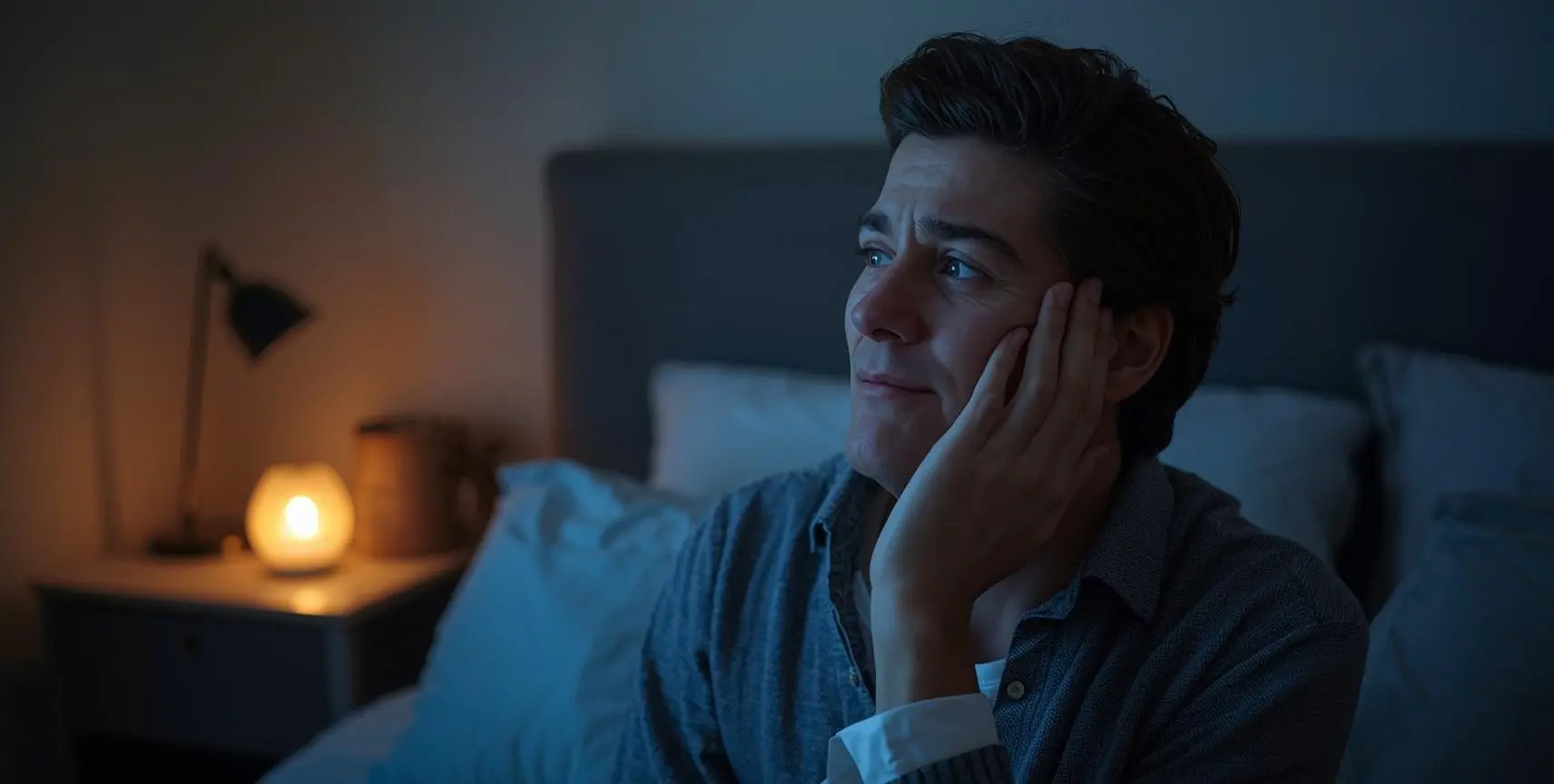
Have you ever noticed your ears seem to ring louder the moment you lie down at night?
During the day, distractions, conversations, traffic, television, and everyday sounds can make tinnitus less noticeable. But when nighttime arrives and everything becomes quiet, the ringing, buzzing, humming, or hissing sound may suddenly feel impossible to ignore.
For many people, nighttime tinnitus becomes one of the most frustrating parts of daily life. It can interrupt sleep, increase stress, create anxiety, and leave you feeling exhausted the next morning.
The good news is that there are several simple lifestyle habits and natural strategies that may help reduce nighttime tinnitus symptoms and improve sleep quality.
Quick Answer: Why Does Tinnitus Feel Worse at Night?
Tinnitus often feels worse at night because your surroundings become quieter, making internal sounds easier for the brain to notice. Stress, fatigue, anxiety, poor sleep habits, and lack of background noise may also increase awareness of ringing or buzzing sounds in the ears.
What This Guide Covers
- Why does ear ringing become more noticeable at night
- Common nighttime tinnitus triggers
- The connection between sleep and tinnitus
- Natural habits that may help reduce symptoms
- Relaxation techniques before bedtime
- When to seek medical advice
What Is Tinnitus?
Tinnitus is the perception of sound without an external source. People often describe it as:
- Ringing
- Buzzing
- Humming
- Clicking
- Hissing
- Roaring
Tinnitus itself is not a disease. Instead, it is usually considered a symptom connected to hearing changes, noise exposure, stress, or other underlying factors.
Some people experience mild, occasional ringing, while others may notice symptoms daily.
Why Tinnitus Feels Louder at Night
1. Your Environment Becomes Quieter
During the day, your brain is constantly processing outside sounds:
- Conversations
- Traffic
- Music
- Fans
- Background noise
At night, those sounds disappear.
When your environment becomes quiet, the brain may focus more attention on internal sounds, making tinnitus feel louder and more noticeable.
This is one of the most common reasons people struggle with tinnitus before sleep.
2. Stress and Mental Fatigue Increase Awareness
After a long day, your body and mind may already feel stressed or exhausted.
Stress can increase muscle tension, mental alertness, and sensitivity to sound. Many people notice their tinnitus feels stronger during periods of:
- Anxiety
- Emotional stress
- Burnout
- Poor sleep
- Mental fatigue
Unfortunately, tinnitus itself can also create stress, which may lead to a frustrating cycle.
3. Your Brain Has Fewer Distractions
During busy daytime hours, your attention constantly shifts between activities.
At night, fewer distractions are competing for your focus.
This allows the brain to become more aware of subtle internal sensations, including ear ringing.
4. Sleep Problems Can Make Symptoms Worse
Poor sleep and tinnitus often influence each other.
Tinnitus may make it harder to fall asleep, while lack of sleep may increase stress and make tinnitus feel more intense the next day.
This cycle can become difficult if healthy sleep habits are not maintained.
Common Nighttime Tinnitus Triggers
Many lifestyle habits may affect tinnitus symptoms differently from person to person.
Here are some common nighttime triggers people often discuss:
Stress and Anxiety
Emotional stress may increase awareness of ringing sounds and make it harder to relax before bed.
Excessive Silence
Complete silence may cause tinnitus to stand out more.
Caffeine Late in the Day
Coffee, energy drinks, or caffeinated tea in the evening may affect sleep quality for some people.
Poor Sleep Habits
Irregular sleep schedules and excessive screen time before bed may increase nighttime restlessness.
Loud Headphone Use
Listening to music at high volumes for long periods may place additional strain on hearing health.
Alcohol Consumption
Some individuals report increased tinnitus awareness after alcohol consumption, especially before sleep.
A lack of quality sleep can sometimes make tinnitus seem more noticeable. Read Can Lack of Sleep Make Tinnitus Worse? to learn more.
Natural Ways to Reduce Tinnitus at Night
While there is no universal solution that works for everyone, many people find certain lifestyle habits helpful for managing symptoms.
1. Use Gentle Background Sound
Soft background sounds may help reduce the contrast between tinnitus and a quiet room.
Some popular options include:
- White noise
- Rain sounds
- Ocean waves
- Soft instrumental music
- Fans
- Sleep sound machines
The goal is not to completely block tinnitus, but to make it less noticeable.
2. Create a Relaxing Bedtime Routine
A calming nighttime routine may help your brain transition into sleep mode more smoothly.
Helpful bedtime habits may include:
- Dimming lights
- Reading
- Gentle stretching
- Meditation
- Deep breathing
- Reducing screen time
- Avoiding stressful activities before bed
Consistency matters more than perfection.
3. Reduce Stress Levels Throughout the Day
Because stress and tinnitus are often connected, improving stress management may help support overall symptom control.
Simple stress-reduction activities include:
- Walking
- Yoga
- Journaling
- Deep breathing
- Spending time outdoors
- Limiting overstimulation
- Practicing mindfulness
Even small daily habits may make a difference over time.
4. Stay Hydrated
Dehydration may contribute to fatigue, headaches, and increased stress for some individuals.
Drinking enough water throughout the day supports overall wellness and healthy body function.
5. Limit Evening Stimulants
Some people notice improved sleep when reducing:
- Caffeine late in the day
- Nicotine
- Heavy meals before bed
- Excess alcohol
Triggers vary between individuals, so it may help to track patterns over time.
6. Improve Sleep Hygiene
Good sleep habits can support both mental and physical recovery.
Try:
- Going to bed at the same time nightly
- Keeping your bedroom cool and dark
- Avoiding phones before sleep
- Reducing nighttime noise disturbances
- Using comfortable bedding
Healthy sleep routines may help reduce nighttime symptom awareness.
Can Anxiety Make Tinnitus Worse?
Yes, many people report stronger tinnitus symptoms during periods of stress or anxiety.
When the nervous system becomes overstimulated, the brain may become more sensitive to internal sounds.
This does not necessarily mean tinnitus is becoming physically worse. In many cases, your awareness of the sound increases.
Managing stress levels may help reduce that heightened awareness.
Can Diet Affect Tinnitus?
Diet affects everyone differently, but some people report that certain foods or habits may influence their symptoms.
Commonly discussed triggers include:
- Excess salt
- Highly processed foods
- Too much caffeine
- Alcohol
- Sugary foods
Meanwhile, healthy nutrition patterns focused on hydration, balanced meals, and nutrient-rich foods may support overall wellness.
Keeping a simple food journal may help identify personal triggers.
Can Exercise Help Tinnitus?
Regular movement supports circulation, stress reduction, sleep quality, and overall well-being.
Gentle activities may include:
- Walking
- Cycling
- Stretching
- Yoga
- Light cardio
Exercise is not a guaranteed tinnitus solution, but healthy lifestyle habits may support long-term wellness.
What Sounds Help Mask Tinnitus?
Many people use sound therapy or calming audio to reduce nighttime awareness of tinnitus.
Popular sound options include:
- White noise
- Pink noise
- Rainfall sounds
- Ocean waves
- Nature sounds
- Low-volume relaxing music
Experimenting with different sounds may help you discover what feels most calming.
When Should You See a Doctor?
Although tinnitus is common, some symptoms should be professionally evaluated.
Speak with a healthcare professional if you experience:
- Sudden hearing loss
- Severe dizziness
- Persistent ear pain
- One-sided tinnitus
- Sudden worsening of symptoms
- Balance issues
Professional medical advice is important for proper evaluation and hearing health support.
Key Takeaways
- Tinnitus often feels louder at night because quiet environments increase awareness of internal sounds
- Stress, poor sleep, anxiety, and fatigue may worsen nighttime tinnitus symptoms
- Background sounds and calming bedtime routines may help reduce symptom awareness
- Healthy sleep habits and stress management may support long-term comfort
- Small, consistent lifestyle changes often produce the best long-term results
Many people use background audio to make nighttime tinnitus less intrusive. Discover some options in Best Natural Sounds for Tinnitus Relief.
Medical Disclaimer: This content is for educational and informational purposes only and is not medical advice. Always consult a qualified healthcare professional regarding hearing concerns, tinnitus symptoms, or medical conditions.
Frequently Asked Questions
Can tinnitus go away naturally?
In some cases, tinnitus symptoms may improve depending on lifestyle changes, stress levels, hearing protection habits, and underlying causes.
Why is tinnitus worse at night?
Tinnitus often feels louder at night because there are fewer external sounds distracting the brain from internal ringing or buzzing.
Can stress make tinnitus louder?
Stress and anxiety may increase awareness of tinnitus symptoms and make relaxation more difficult.
Does poor sleep affect tinnitus?
Lack of sleep may increase fatigue, stress, and sound sensitivity, which can make tinnitus feel more noticeable.
Should I avoid headphones with tinnitus?
Listening at high volume for extended periods may place additional strain on hearing. Lower volume levels and regular listening breaks are generally recommended.
Final Thoughts
Nighttime tinnitus can feel frustrating, exhausting, and emotionally draining — especially when it interrupts your sleep and daily comfort.
But many people find that small lifestyle adjustments, stress management habits, calming sound therapy, and healthier sleep routines may help reduce nighttime symptom awareness over time.
The key is consistency.
Simple daily habits often create the biggest long-term improvements.
If you’re looking for beginner-friendly wellness strategies and calming nighttime routines, download our free guide below.
👉 Download the Free 7-Day Tinnitus Relief Plan
Discover simple daily habits designed to support better sleep, reduced stress, and improved ear wellness naturally.