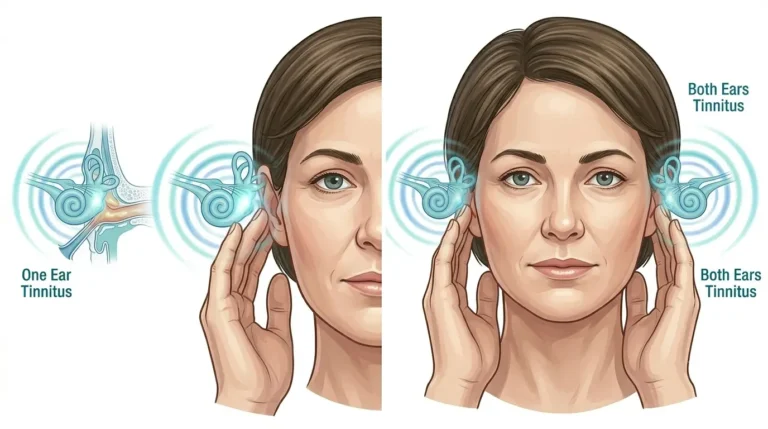
Can Stress Make Tinnitus Worse? Understanding the Connection
Expert Insight: Stress may not directly cause tinnitus, but it can make existing ringing or buzzing feel more noticeable. Increased alertness, anxiety and poor sleep can intensify tinnitus awareness, while stress management and healthier daily routines may help make symptoms easier to manage.

If your tinnitus seems louder during stressful moments, you are not imagining it.
Many people notice their ear ringing becomes more intense during periods of anxiety, emotional overwhelm, poor sleep, or mental exhaustion. In fact, stress and tinnitus are often closely connected, creating a frustrating cycle that can affect sleep, focus, mood, and daily comfort.
When stress levels rise, the brain and nervous system become more alert. This heightened state may increase awareness of internal sounds like ringing, buzzing, or humming in the ears.
The good news is that understanding this connection can help you develop healthier daily habits that may support better symptom management over time.
Quick Answer: Can Stress Make Tinnitus Worse?
Yes, stress and anxiety can increase awareness of tinnitus symptoms for many people. High stress levels may make ringing in the ears feel louder, more distracting, or harder to ignore. Poor sleep, mental fatigue, and emotional tension may also contribute to increased tinnitus discomfort.
What This Guide Covers
In this article, you’ll discover:
- The connection between stress and tinnitus
- Why anxiety may intensify ear ringing
- Common emotional triggers
- How sleep affects tinnitus symptoms
- Natural stress-management strategies
- Relaxation habits that may help support relief
What Is Tinnitus?
Tinnitus is the perception of sound without an external source. People often describe it as:
- Ringing
- Buzzing
- Humming
- Clicking
- Hissing
- Roaring
Tinnitus itself is not a disease but a symptom that may be connected to hearing changes, noise exposure, stress, or other underlying factors.
Symptoms vary from person to person. Some people experience occasional mild ringing, while others may notice symptoms more consistently.
How Stress May Affect Tinnitus
Stress affects the body in many different ways.
When stress levels rise, the nervous system becomes more active and alert. This can increase physical tension, emotional sensitivity, and mental fatigue — all of which may make tinnitus feel more noticeable.
Although stress may not directly cause tinnitus in every case, it can strongly influence how intensely symptoms are perceived.
Many people report that tinnitus becomes worse during:
- Work pressure
- Anxiety
- Emotional burnout
- Lack of sleep
- Overstimulation
- Major life changes
Why Anxiety Can Make Ear Ringing Feel Louder
1. Increased Brain Awareness
When anxiety levels increase, the brain may become more focused on internal sensations.
This heightened awareness can make ringing sounds feel stronger, even if the actual sound itself has not changed.
The brain begins monitoring the sound more closely, making it harder to ignore.
2. Muscle Tension and Stress Response
Stress can create physical tension throughout the body, including:
- Jaw muscles
- Neck muscles
- Shoulder tension
Some people notice that physical tension may increase tinnitus discomfort.
Relaxation and stress reduction may help support overall comfort levels.
3. Poor Sleep Increases Sensitivity
Stress and poor sleep often go together.
Unfortunately, poor sleep may also increase:
- Fatigue
- Irritability
- Sound sensitivity
- Anxiety levels
This can create a cycle where:
- Stress worsens tinnitus
- Tinnitus disrupts sleep
- Poor sleep increases stress
Breaking this cycle is often an important part of long-term management.
Common Signs Stress May Be Affecting Your Tinnitus
Everyone experiences tinnitus differently, but some common signs include:
- Ringing becomes louder during stressful periods
- Symptoms worsen during anxiety or panic
- Tinnitus feels stronger at night
- Symptoms improve during vacations or relaxing periods
- Poor sleep increases next-day discomfort
- Stressful environments increase awareness of ringing
Tracking these patterns may help you better understand your personal triggers.
Natural Ways to Reduce Stress-Related Tinnitus
There is no single solution that works for everyone, but many people find that healthy daily habits help improve overall comfort and reduce stress levels.
Many people experience both anxiety and tinnitus at the same time. Learn more in Tinnitus and Anxiety: What’s the Connection?
1. Practice Deep Breathing Exercises
Slow breathing exercises may help calm the nervous system and reduce physical tension.
Simple breathing techniques before bed or during stressful moments may support relaxation and reduce emotional overwhelm.
2. Improve Sleep Habits
Healthy sleep routines may help reduce both stress and tinnitus awareness.
Helpful habits include:
- Going to bed at a consistent time
- Limiting screen time before bed
- Keeping the bedroom cool and quiet
- Using calming background sounds
- Avoiding excessive caffeine late in the day
Small improvements in sleep quality may make a noticeable difference over time.
3. Use Gentle Background Sounds
Many people find that white noise or calming sounds help reduce awareness of tinnitus.
Popular options include:
- Rain sounds
- Ocean waves
- White noise
- Soft music
- Fans
Background sound may help the brain focus less on internal ringing.
4. Spend Time Outdoors
Fresh air, sunlight, and gentle movement may help reduce stress and mental fatigue.
Simple activities like walking outdoors can support:
- Mood
- Relaxation
- Sleep quality
- Emotional well-being
5. Reduce Daily Overstimulation
Constant noise, screen exposure, and mental overload may increase stress levels.
Creating moments of calm throughout the day may help support nervous system balance.
Try:
- Taking short breaks
- Limiting excessive social media use
- Reducing multitasking
- Creating quiet relaxation periods
6. Try Gentle Exercise
Physical activity may support:
- Circulation
- Mood balance
- Stress reduction
- Better sleep
Gentle activities may include:
- Walking
- Yoga
- Stretching
- Light cardio
Consistency is often more important than intensity.
Can Relaxation Techniques Help Tinnitus?
Many people use relaxation techniques as part of their overall tinnitus wellness routine.
Popular approaches include:
- Meditation
- Mindfulness
- Guided breathing
- Relaxation audio
- Journaling
- Gentle yoga
These techniques may help reduce emotional stress and improve overall comfort.
Can Anxiety Cause Ear Ringing?
Anxiety itself may not always directly cause tinnitus, but it can increase awareness and sensitivity to existing symptoms.
Periods of heightened stress may make tinnitus feel:
- Louder
- More distracting
- More emotionally overwhelming
Reducing anxiety may help decrease that heightened awareness for some individuals.
When Should You Seek Medical Advice?
Although stress-related tinnitus is common, certain symptoms should always be professionally evaluated.
Speak with a healthcare professional if you experience:
- Sudden hearing loss
- Severe dizziness
- One-sided tinnitus
- Ear pain
- Sudden worsening of symptoms
- Balance problems
Professional guidance is important for hearing health and proper evaluation.
Key Takeaways
- Stress and anxiety may increase awareness of tinnitus symptoms
- Poor sleep and emotional exhaustion can make ear ringing feel more noticeable
- Relaxation techniques and calming routines may support better comfort
- Background sounds may help reduce focus on internal ringing
- Healthy daily habits may help support long-term tinnitus management
Medical Disclaimer: This content is for educational and informational purposes only and is not medical advice. Always consult a qualified healthcare professional regarding hearing concerns, tinnitus symptoms, or medical conditions.
Frequently Asked Questions
Can stress make tinnitus permanently worse?
Stress may temporarily increase awareness of tinnitus symptoms, but symptom intensity can vary over time depending on lifestyle habits, sleep quality, and emotional health.
Why does tinnitus get worse during anxiety?
Anxiety increases nervous system alertness and may cause the brain to focus more attention on internal sounds like ringing or buzzing.
Can poor sleep affect tinnitus?
Yes, lack of sleep may increase stress, fatigue, and sound sensitivity, which can make tinnitus feel more noticeable.
What relaxation techniques may help tinnitus?
Many people use meditation, deep breathing, calming background sounds, mindfulness, and gentle exercise as part of their wellness routine.
Does exercise help reduce stress-related tinnitus?
Exercise may help support better mood, circulation, stress reduction, and sleep quality, which may indirectly improve overall comfort for some individuals.
Stress management is often part of a healthy routine. You may also enjoy Daily Habits That May Reduce Ear Ringing.
Final Thoughts
Stress and tinnitus are often deeply connected.
When stress levels rise, the brain and nervous system may become more sensitive, making ear ringing feel louder and harder to ignore. This can create a frustrating cycle involving anxiety, poor sleep, and emotional exhaustion.
The encouraging news is that small daily habits — including better sleep routines, stress management, relaxation techniques, and healthy lifestyle improvements — may help support long-term comfort and overall well-being.
Progress often happens gradually.
Consistency, patience, and calming daily routines may make a meaningful difference over time.
👉 Download the Free 7-Day Tinnitus Relief Plan
Get beginner-friendly wellness strategies designed to support better sleep, reduced stress, and healthier daily habits naturally.