What Does Tinnitus Sound Like? 9 Common Tinnitus Sounds Explained
Expert Summary: Tinnitus can sound different for everyone, from ringing and buzzing to humming, hissing, or pulsing. This guide explains the most common tinnitus sounds, what they may mean, and when changes in symptoms should be assessed by a healthcare professional.

Tinnitus can sound like ringing, buzzing, humming, hissing, clicking, roaring, or even whistling in the ears. While ringing is the most commonly reported sound, tinnitus affects people differently, and the perceived sound can vary in volume, pitch, and pattern. Some people hear it constantly, while others notice it only in certain situations, such as at night or during periods of stress.
Quick Answer
Tinnitus is the perception of sound without an external source. Although many people describe it as a ringing noise, tinnitus can also sound like buzzing, humming, hissing, roaring, clicking, whistling, or pulsing. The exact sound varies from person to person and may change over time.
What Are the Most Common Tinnitus Sounds?
The most common tinnitus sounds include:
- Ringing
- Buzzing
- Humming
- Hissing
- Clicking
- Roaring
- Whistling
- Pulsing
What This Guide Covers
- What tinnitus sounds like
- The most common types of tinnitus sounds
- Why tinnitus sounds differ between people
- Whether tinnitus can change over time
- When tinnitus may require medical attention
- Ways to manage bothersome tinnitus sounds
What Is Tinnitus?
Although tinnitus is common, experiences vary significantly from person to person. The information in this article is educational and should not replace professional medical advice.
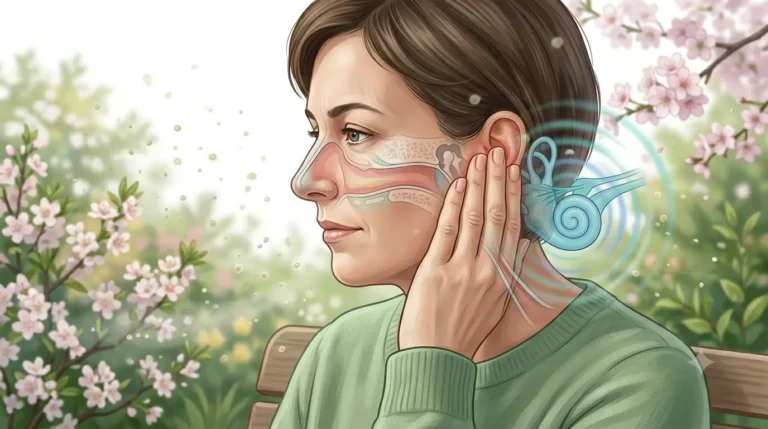
Tinnitus is the perception of sound when no external sound source is present. It is considered a symptom rather than a disease itself. People experience tinnitus differently, which is one reason the condition can be difficult to describe.
For some individuals, tinnitus is mild and only noticeable in quiet environments. For others, it can interfere with concentration, sleep, relaxation, and daily activities. Understanding the types of sounds associated with tinnitus is often the first step toward understanding the condition itself.
What Does Tinnitus Sound Like?
Many people expect tinnitus to sound like a high-pitched ring, but tinnitus can produce a surprisingly wide range of sounds. Some hear a single tone. Others hear multiple sounds that seem to change throughout the day.
- Ringing
- Buzzing
- Humming
- Hissing
- Clicking
- Roaring
- Whistling
- Pulsing
- Whooshing
The sound may seem to come from one ear, both ears, or inside the head. Volume and pitch can vary significantly from person to person.
Common Tinnitus Sounds Explained
1. Ringing
Ringing is the sound most commonly associated with tinnitus. It may resemble a bell, an electronic tone, or a continuous high-pitched frequency.
2. Buzzing
Buzzing tinnitus is often compared to electrical interference, a fluorescent light hum, or a swarm of bees.
3. Humming
Humming tinnitus usually involves lower-frequency sounds that resemble a motor, air conditioner, or distant engine.
4. Hissing
Many people compare hissing tinnitus to escaping steam, wind, or white noise.
5. Clicking
Clicking tinnitus may sound rhythmic, similar to tapping, ticking, or popping noises.
6. Roaring
Roaring tinnitus is often described as sounding like ocean waves, heavy wind, or distant thunder.
7. Whistling
Whistling tinnitus may resemble a tea kettle, whistle, or a narrow stream of air passing through a small opening.
How People Commonly Describe Tinnitus in Real Life
When people first experience tinnitus, they often struggle to explain what they are hearing. The sound rarely fits into a perfect category.
Real-world descriptions often include phrases such as:
- It sounds like crickets at night.
- It’s like a fluorescent light buzzing overhead.
- I hear a constant ringing similar to an old television.
- It sounds like steam escaping from a pipe.
- I hear a low humming noise that never fully disappears.
- It’s like an electrical sound inside my head.
- Sometimes it sounds like cicadas or insects.
- I hear a distant whistle in the background.
These descriptions highlight how subjective tinnitus can be. Two people with tinnitus may use completely different words to describe what they hear, even if the underlying condition is similar.
Many people also report that their tinnitus becomes easier to notice during quiet moments, particularly when trying to relax, focus, or fall asleep.
Can Tinnitus Sound Different in One Ear and Both Ears?
Yes. Some people hear tinnitus in only one ear, while others hear it in both. In some cases, the sound may seem stronger on one side than the other.
Tinnitus affecting both ears is often associated with hearing-related causes. Tinnitus affecting only one ear deserves additional attention, particularly if it develops suddenly or is accompanied by hearing loss, dizziness, or other symptoms.
Because tinnitus experiences vary so widely, two people with similar symptoms may describe completely different sounds.
Does Hearing Loss Change How Tinnitus Sounds?
Hearing loss is one of the most common factors associated with tinnitus. When hearing changes occur, the brain may compensate by increasing sensitivity to certain frequencies, which can contribute to the tinnitus perception.
People with hearing loss may experience:
- Higher-pitched ringing
- Persistent buzzing
- Multiple simultaneous sounds
- Changes in pitch over time
This does not mean everyone with tinnitus has hearing loss, but the two conditions often occur together.
How Doctors Describe Different Types of Tinnitus
Healthcare professionals often classify tinnitus into broad categories.
Subjective Tinnitus
This is the most common type. Only the affected person can hear the sound.
Objective Tinnitus
This rare form may be linked to physical sounds generated within the body that can occasionally be detected during examination.
Pulsatile Tinnitus
Pulsatile tinnitus follows a rhythmic pattern, often in time with the heartbeat. People commonly describe it as whooshing or pulsing.
If you experience sudden pulsatile tinnitus, it is a good idea to discuss it with a healthcare professional.
Why Does Tinnitus Sound Different for Different People?
There is no single tinnitus sound because there is no single cause. Factors that may influence tinnitus perception include:
- Age
- Noise exposure history
- Hearing ability
- Stress levels
- Sleep quality
- Overall health
- Individual brain processing
This variation explains why one person may describe ringing while another hears buzzing or humming.
Does Tinnitus Have Different Pitches and Frequencies?
Yes. Tinnitus can vary not only in the type of sound people hear but also in its pitch and frequency.
Some people experience a very high-pitched ringing similar to electronic feedback or a distant whistle. Others hear lower-frequency sounds that resemble humming, rumbling, or a running motor.
Pitch refers to how high or low a sound seems.
Frequency is the scientific measurement that helps describe pitch. While many tinnitus sufferers report high-frequency sounds, there is no single tinnitus frequency that applies to everyone.
People commonly describe tinnitus pitches as:
- High-pitched ringing
- Medium-pitched buzzing
- Low humming or rumbling
- Multiple tones occurring at the same time
The perceived pitch may also change over time. Some individuals notice different tones on different days, while others experience a fairly consistent sound pattern.
This variation is one reason tinnitus experiences can differ so dramatically from person to person.
Common Tinnitus Triggers That Can Affect the Sound
Many people notice that their tinnitus does not remain the same every day. Certain lifestyle factors and environmental influences may affect how noticeable the sound feels.
Common tinnitus triggers include:
Stress and Anxiety
Periods of stress often make tinnitus seem louder or more intrusive. Increased stress may cause the brain to focus more attention on internal sounds.
Poor Sleep
Sleep deprivation can make it harder to cope with tinnitus and may increase awareness of symptoms during the day.
Loud Noise Exposure
Concerts, power tools, headphones at high volume, and other loud environments may temporarily worsen tinnitus for some individuals.
Caffeine and Stimulants
Some people report changes in tinnitus after consuming caffeine, although responses vary between individuals.
You may also be interested in our article: Can Caffeine Affect Tinnitus?
Illness and Congestion
Colds, sinus congestion, allergies, and ear infections can sometimes influence tinnitus symptoms temporarily.
Fatigue
Physical and mental exhaustion may increase awareness of tinnitus, particularly during stressful periods.
Understanding personal triggers can help some people better manage fluctuations in their symptoms.
Can Tinnitus Change Over Time?
Yes. Many people notice changes in volume, pitch, or sound type over time.
- The sound may become louder or quieter.
- The pitch may shift.
- Different sounds may appear at different times.
- Symptoms may fluctuate during stressful periods.
- Tinnitus may seem stronger after poor sleep.
Fluctuations do not necessarily indicate worsening tinnitus. Temporary changes are common.
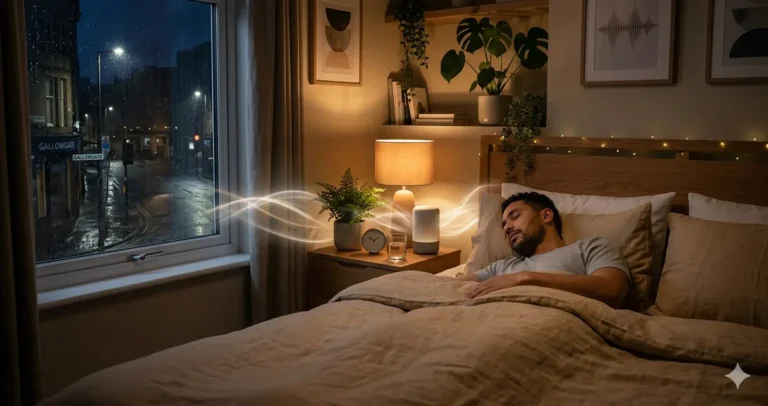
Why Is Tinnitus More Noticeable at Night?
One of the most common questions tinnitus sufferers ask is why their symptoms seem worse at night.
In many cases, the tinnitus itself has not actually become louder. Instead, the environment around you becomes quieter, making internal sounds easier to notice.
During the day, your brain is constantly processing conversations, traffic, television, music, and other background sounds. These sounds naturally compete with tinnitus.
At night, those distractions disappear.
As a result, tinnitus often becomes much more noticeable when:
- Lying in bed
- Trying to fall asleep
- Reading in a quiet room
- Waking during the night
Several factors may contribute to this experience:
- Reduced environmental noise
- Increased awareness of bodily sensations
- Mental fatigue
- Accumulated stress from the day
- Sleep-related anxiety
Some people find relief by using gentle background sounds such as rainfall, ocean waves, fans, or white noise machines while sleeping.
If bedtime tinnitus is a challenge for you, our guide on: How to Calm Tinnitus Before Bed offers additional practical strategies.
Can Anxiety Make Tinnitus Seem Louder?
Many people notice a connection between tinnitus and emotional well-being. Stress and anxiety can increase awareness of internal sensations, including tinnitus.
- Tinnitus becomes noticeable.
- Concern increases.
- Attention focuses on the sound.
- The sound feels more intrusive.
- Stress increases further.
Breaking this cycle through relaxation techniques and healthy coping strategies can be beneficial.
To learn more about this relationship, read our guide on Tinnitus and Anxiety: What’s the Connection?.
When Tinnitus Sounds May Require Medical Attention
Although tinnitus is common, certain situations deserve medical evaluation.
- Sudden onset of tinnitus
- Tinnitus in only one ear
- Tinnitus accompanied by hearing loss
- Dizziness or balance problems
- Symptoms after a head injury
- Pulsatile or rhythmic tinnitus
- Severe impact on daily life
A healthcare professional can help determine whether additional assessment is appropriate.
How to Manage Bothersome Tinnitus Sounds
Use Gentle Background Sound
Background sound can help reduce contrast between tinnitus and a quiet environment. Popular options include white noise, rain sounds, ocean waves, and soft instrumental music.
Prioritize Sleep
Consistent sleep habits can improve resilience and make tinnitus easier to cope with during the day.
If sleep problems are contributing to your symptoms, read our article: Can Lack of Sleep Make Tinnitus Worse?
Manage Stress
Relaxation exercises, mindfulness, gentle movement, and breathing techniques may help reduce the emotional impact of tinnitus.
Maintain Healthy Daily Habits
Hydration, balanced nutrition, regular physical activity, and healthy routines support overall well-being and may improve how people cope with tinnitus.
Simple lifestyle changes can sometimes make tinnitus feel less disruptive. You may also find helpful tips in our guide on: Daily Habits That May Reduce Ear Ringing
Protect Your Hearing
Limiting exposure to excessively loud noise and using hearing protection when appropriate may help support long-term hearing health.
Key Takeaways
- Tinnitus is not always a ringing sound.
- Buzzing, humming, hissing, clicking, roaring, and whistling are all common descriptions.
- The sound may be constant or intermittent.
- Stress, sleep quality, and hearing changes can affect how noticeable tinnitus feels.
- Many people successfully manage tinnitus through sound therapy and healthy habits.
Medical Disclaimer: This content is for educational and informational purposes only and is not medical advice. Always consult a qualified healthcare professional regarding hearing concerns, tinnitus symptoms, or medical conditions.
Frequently Asked Questions
Is tinnitus always ringing?
No. Tinnitus may sound like buzzing, humming, hissing, clicking, roaring, whistling, pulsing, or many other noises.
What is the most common tinnitus sound?
Ringing is the most commonly reported tinnitus sound, although many people experience other sound patterns.
Can tinnitus sound like insects or crickets?
Yes. Some people describe tinnitus as sounding like crickets, cicadas, or other insect-like noises.
Can tinnitus change pitch?
Yes. The pitch and volume of tinnitus may fluctuate over time depending on factors such as stress, sleep quality, and overall health.
Why is my tinnitus louder at night?
Quiet environments make tinnitus easier to notice because fewer external sounds are competing for your attention.
Can stress make tinnitus sound louder?
Stress can heighten tinnitus awareness and make it feel more intrusive.
Can hearing loss affect how tinnitus sounds?
Yes. Hearing loss is commonly associated with tinnitus and may affect the pitch or other characteristics of perceived sound.
Does everyone hear tinnitus the same way?
No. Tinnitus is highly individual, and the sounds people hear can vary significantly.
Should I see a doctor for tinnitus?
If tinnitus starts suddenly, affects only one ear, is accompanied by hearing loss or dizziness, or significantly impacts daily life, it is wise to seek professional advice.
Can tinnitus go away on its own?
Some temporary cases may improve over time, while others persist. Many people learn effective strategies to manage long-term tinnitus successfully.
Medical Sources Reviewed
- National Institute on Deafness and Other Communication Disorders (NIDCD)
- NHS
- Mayo Clinic
- Cleveland Clinic
- American Academy of Otolaryngology–Head and Neck Surgery
Final Thoughts
Tinnitus is often described as ringing in the ears, but the reality is far more varied. Buzzing, humming, hissing, clicking, roaring, whistling, and pulsing are all common experiences.
Understanding what tinnitus sounds like can help reduce uncertainty and make it easier to explore practical management strategies. While tinnitus can be frustrating, many people learn to reduce its impact through sound therapy, healthy routines, stress management, and improved sleep habits.
Most importantly, remember that tinnitus is a common experience. If symptoms concern you or change suddenly, seeking professional guidance can help you better understand your individual situation.
👉 Download the Free 7-Day Tinnitus Relief Plan
Discover simple daily habits designed to support better sleep, reduced stress, and improved ear wellness naturally.