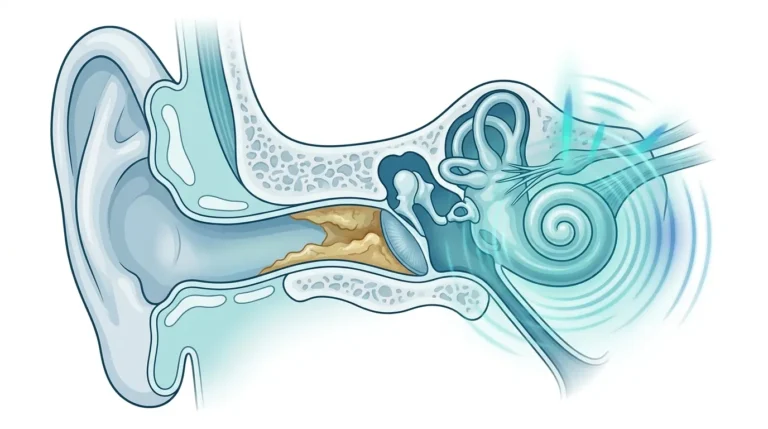
How to Calm Tinnitus Before Bed
Expert Summary: While tinnitus may feel more noticeable at night, simple bedtime habits can help you relax and reduce awareness of ear ringing. This guide explores practical, evidence-informed strategies to create a calmer evening routine and support more restful, uninterrupted sleep.

How to Calm Tinnitus Before Bed: Simple Nighttime Habits That May Help
If your tinnitus seems louder at night, you’re not alone. Many people notice that ear ringing, buzzing, or humming becomes more noticeable when trying to fall asleep. Quiet environments, stress, fatigue, and nighttime anxiety can all make tinnitus feel more intense.
The good news is that small bedtime changes may help reduce nighttime discomfort and improve relaxation. In this guide, you’ll learn practical habits that may help calm tinnitus before bed naturally.
Quick Answer
To calm tinnitus before bed, try reducing stress, using soft background sounds, avoiding complete silence, limiting caffeine late in the day, and following a relaxing nighttime routine. Improving sleep habits may also help reduce how noticeable tinnitus feels at night.
What This Guide Covers
- Why does tinnitus feel worse at night
- How stress affects nighttime ringing
- Simple bedtime habits that may help
- Best sounds for sleep and relaxation
- Sleep environment tips for tinnitus relief
Why Does Tinnitus Feel Worse at Night?
During the day, background noise from conversations, traffic, work, and daily activities can help distract your brain from tinnitus sounds. At night, your environment becomes quieter, making ear ringing easier to notice.
Other common nighttime triggers include:
- Stress and anxiety
- Fatigue and mental exhaustion
- Poor sleep habits
- Complete silence
- Increased focus on symptoms
For many people, the combination of silence and stress can create a cycle where tinnitus increases bedtime frustration and difficulty sleeping.
1. Create a Relaxing Bedtime Routine
A calming nighttime routine can help your body transition into sleep mode. Relaxation may also reduce stress-related tinnitus awareness.
Simple bedtime habits include:
- Reading a book
- Gentle stretching
- Warm herbal tea
- Light breathing exercises
- Reducing screen time before bed
Consistency matters more than perfection. Small calming habits practised nightly may help improve sleep quality over time.
2. Use Soft Background Sounds
Complete silence can make tinnitus more noticeable. Many people find soft background sounds helpful at bedtime.
Popular sound options include:
- White noise
- Rain sounds
- Ocean waves
- Soft fan noise
- Nature sounds
- Calming sleep music
The goal is not to completely block tinnitus, but to reduce contrast between silence and ringing.
Many people find that gentle audio makes bedtime more comfortable. Discover some options in Best Natural Sounds for Tinnitus Relief.
3. Reduce Evening Stress and Anxiety
Stress may increase tinnitus awareness for some people. When the mind becomes tense or anxious, it can become harder to ignore ringing sounds.
Helpful stress-reduction ideas include:
- Deep breathing exercises
- Guided meditation
- Journaling before bed
- Mindfulness techniques
- Limiting stressful content at night
Even 10–15 minutes of relaxation before sleep may help calm the nervous system.
4. Avoid Certain Evening Triggers
Some people notice that tinnitus feels stronger after consuming stimulants or following unhealthy sleep habits.
Possible nighttime triggers include:
- Caffeine late in the day
- Nicotine
- Alcohol before bed
- Excessive screen exposure
- Loud headphone use
Keeping a simple journal may help you identify personal triggers.
5. Improve Your Sleep Environment
Your bedroom environment may influence how easily you relax at night.
Try creating a sleep-friendly space by:
- Keeping the room cool and comfortable
- Using blackout curtains
- Reducing unnecessary noise
- Using comfortable pillows and bedding
- Keeping a consistent sleep schedule
Better sleep habits may help reduce overall stress and nighttime symptom awareness.
When Should You Speak With a Professional?
If tinnitus becomes severe, sudden, painful, or begins affecting your mental health or daily functioning, it’s important to speak with a qualified healthcare professional.
This article is for educational purposes only and is not medical advice.
Key Takeaways
- Tinnitus often feels louder at night because of the silence and reduced distractions
- Stress and anxiety may increase nighttime tinnitus awareness
- Soft background sounds may help reduce contrast with ringing
- Healthy sleep habits may improve nighttime comfort
- Small, consistent routines often work better than drastic changes
Medical Disclaimer: This content is for educational and informational purposes only and is not medical advice. Always consult a qualified healthcare professional regarding hearing concerns, tinnitus symptoms, or medical conditions.
Frequently Asked Questions
Should I sleep in complete silence with tinnitus?
Many people find soft background noise more comfortable than complete silence. White noise or nature sounds may help reduce tinnitus awareness at bedtime.
What is the best sound for tinnitus sleep?
This varies from person to person. Common options include rain sounds, ocean waves, fan noise, and soft white noise.
Can stress make tinnitus worse at night?
Stress and anxiety may increase how noticeable tinnitus feels, especially in quiet nighttime environments.
Can poor sleep affect tinnitus?
Poor sleep may increase fatigue, stress, and sensitivity to tinnitus symptoms for some people.
Nighttime symptoms are common among tinnitus sufferers. Learn more in Why Your Ears Ring More at Night (And How to Fix It Naturally).
Medical Sources Reviewed
- National Institute on Deafness and Other Communication Disorders (NIDCD)
- NHS
- Mayo Clinic
- Cleveland Clinic
- American Tinnitus Association
Final Thoughts
Tinnitus at night can feel frustrating and exhausting, but small changes to your evening routine may help improve relaxation and sleep quality. Reducing stress, using calming sounds, and creating healthy bedtime habits can make nighttime ringing feel more manageable over time.
Focus on consistency, patience, and creating a calm sleep environment that supports your overall well-being.
👉 Download the Free 7-Day Tinnitus Relief Plan
Get beginner-friendly wellness strategies designed to support better sleep, reduced stress, and healthier daily habits naturally.