Can Lack of Sleep Make Tinnitus Worse?
Expert Summary: Poor sleep cannot cause tinnitus on its own, but it may make ear ringing feel more noticeable and difficult to manage. This guide explores the connection between sleep and tinnitus, along with practical habits that may help improve rest and reduce symptom awareness.

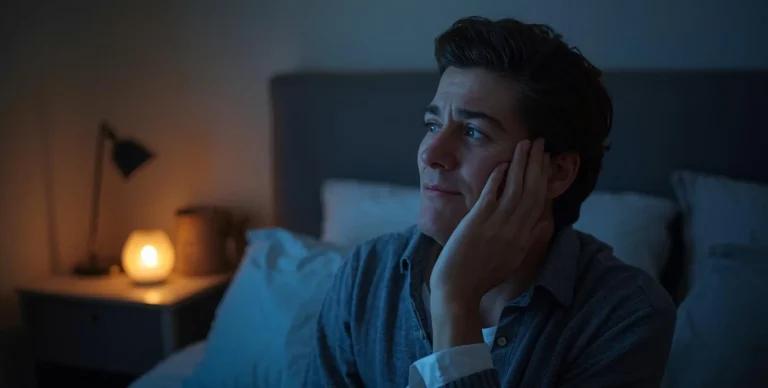
If your tinnitus feels louder after a poor night’s sleep, you are not alone. Many people notice that ear ringing becomes more frustrating, distracting, or emotionally overwhelming when they feel exhausted.
Sleep and tinnitus are closely connected. Tinnitus can make it difficult to fall asleep, while poor sleep may increase stress, fatigue, and sound sensitivity — creating a frustrating cycle that can affect both mental and physical well-being.
The encouraging news is that improving sleep habits may help reduce nighttime discomfort and support better daily symptom management over time.
Quick Answer
Yes, lack of sleep may make tinnitus feel worse for many people. Poor sleep can increase stress, mental fatigue, emotional sensitivity, and awareness of ringing sounds. Improving sleep quality may help reduce how noticeable tinnitus feels throughout the day and night.
What This Guide Covers
- How sleep and tinnitus are connected
- Why poor sleep may increase tinnitus awareness
- Common nighttime tinnitus struggles
- Healthy sleep habits that may help
- Natural ways to improve nighttime comfort
How Sleep and Tinnitus Are Connected
Tinnitus often becomes more noticeable in quiet environments, especially at night. When external sounds disappear, the brain may focus more attention on internal ringing, buzzing, or humming sounds.
For many people, this makes falling asleep more difficult.
At the same time, poor sleep may increase:
- Stress levels
- Mental fatigue
- Anxiety
- Irritability
- Sound sensitivity
- Difficulty concentrating
This can create a cycle where tinnitus disrupts sleep, and lack of sleep makes tinnitus feel even worse the next day.
Why Lack of Sleep May Increase Tinnitus Awareness
1. Increased Stress Levels
Poor sleep often increases physical and emotional stress. Stress may heighten awareness of tinnitus symptoms and make ringing sounds feel harder to ignore.
Many people notice tinnitus becomes more intense during periods of exhaustion or burnout.
2. Mental Fatigue and Reduced Focus
When the brain feels tired, it may become more sensitive to internal sensations.
Fatigue can make it harder to mentally tune out tinnitus, causing the sound to feel more distracting throughout the day.
3. Higher Emotional Sensitivity
Lack of sleep may affect mood, patience, and emotional resilience.
When people feel emotionally drained, tinnitus may feel more frustrating, stressful, or emotionally overwhelming.
4. Increased Nighttime Anxiety
Some people develop anxiety around bedtime because they anticipate tinnitus becoming louder in quiet environments.
This stress may make relaxation and sleep even more difficult.
Common Nighttime Tinnitus Struggles
People with tinnitus often report:
- Difficulty falling asleep
- Waking up during the night
- Feeling more aware of ringing in silence
- Stress before bedtime
- Poor sleep quality
- Mental exhaustion during the day
Although these experiences can feel frustrating, small lifestyle adjustments may help improve nighttime comfort over time.
Healthy Sleep Habits That May Help
1. Keep a Consistent Sleep Schedule
Going to bed and waking up at similar times each day may help regulate your body’s internal sleep rhythm.
Consistency is often more helpful than trying drastic sleep changes.
2. Avoid Complete Silence
Many people find tinnitus more noticeable in silent rooms.
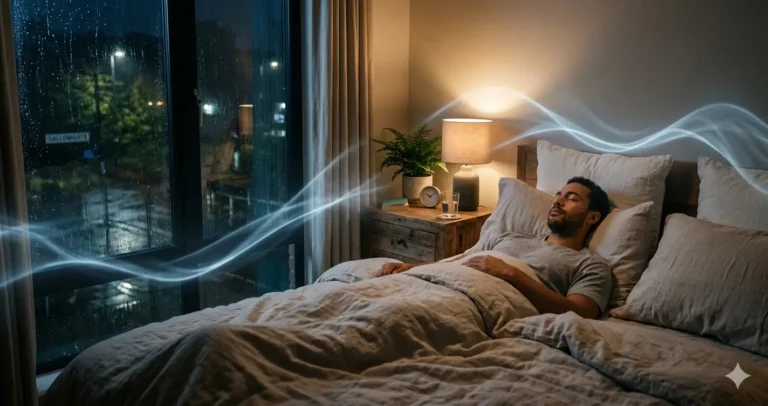
Soft background sounds may help create a calmer environment. Popular options include:
- Rain sounds
- Ocean waves
- White noise
- Fans
- Soft nature sounds
The goal is gentle sound blending — not overpowering the tinnitus.
3. Reduce Screen Time Before Bed
Phones, tablets, and bright screens late at night may affect relaxation and sleep quality.
Try reducing screen exposure 30–60 minutes before bedtime.
4. Limit Evening Stimulants
Some people notice better sleep when reducing:
- Caffeine late in the day
- Nicotine
- Alcohol before bed
- Heavy late-night meals
Triggers vary from person to person, so tracking habits may help identify patterns.
Many people notice their symptoms become more noticeable during nighttime hours. Learn why in Why Your Ears Ring More at Night (And How to Fix It Naturally).
5. Practice Relaxation Techniques
Calming bedtime activities may help reduce stress and prepare the mind for sleep.
Helpful options include:
- Deep breathing
- Meditation
- Stretching
- Reading
- Journaling
- Gentle yoga
Can Better Sleep Help Tinnitus?
Better sleep may not completely eliminate tinnitus, but many people report improvements in:
- Stress management
- Emotional balance
- Daily focus
- Tinnitus awareness
- Overall well-being
Even modest improvements in sleep quality may positively affect how tinnitus feels day-to-day.
When Should You Seek Professional Advice?
Speak with a healthcare professional if tinnitus becomes severe, sudden, painful, or begins affecting your mental health, sleep quality, or daily functioning.
You should also seek medical advice if you experience:
- Sudden hearing loss
- Severe dizziness
- Balance problems
- One-sided tinnitus
- Persistent ear pain
This article is for educational purposes only and is not medical advice.
Key Takeaways
- Lack of sleep may increase tinnitus awareness for many people
- Poor sleep can raise stress, fatigue, and emotional sensitivity
- Healthy sleep habits may support better symptom management
- Soft background sounds may help reduce nighttime discomfort
- Relaxation and stress reduction may improve sleep quality over time
Medical Disclaimer: This content is for educational and informational purposes only and is not medical advice. Always consult a qualified healthcare professional regarding hearing concerns, tinnitus symptoms, or medical conditions.
Frequently Asked Questions
Can insomnia make tinnitus worse?
Poor sleep and insomnia may increase stress and mental fatigue, which can make tinnitus feel more noticeable.
Why is tinnitus louder after a bad sleep?
Lack of sleep may increase sound sensitivity, stress, and emotional exhaustion, making tinnitus harder to ignore.
What sounds help tinnitus at night?
Many people use rain sounds, white noise, ocean waves, or soft fan noise to create a calmer sleep environment.
Can stress and sleep problems affect tinnitus together?
Yes. Stress and poor sleep often influence each other and may both increase tinnitus awareness.
Will better sleep cure tinnitus?
Better sleep may not cure tinnitus, but it may help improve comfort, stress levels, and symptom management.
Stress and poor sleep can influence one another. Read Can Stress Make Tinnitus Worse? Understanding the Connection for more insights.
Final Thoughts
Tinnitus and sleep problems often go hand in hand. Ringing sounds may make it difficult to relax at night, while poor sleep may increase stress and make tinnitus feel more noticeable during the day.
The encouraging part is that small lifestyle improvements — including better sleep habits, stress reduction, calming nighttime routines, and gentle background sounds — may help support better comfort over time.
Progress often happens gradually. Focus on consistency, patience, and creating a healthier nighttime environment that supports overall well-being.
👉 Download the Free 7-Day Tinnitus Relief Plan
Get beginner-friendly wellness strategies designed to support better sleep, reduced stress, and healthier daily habits naturally.