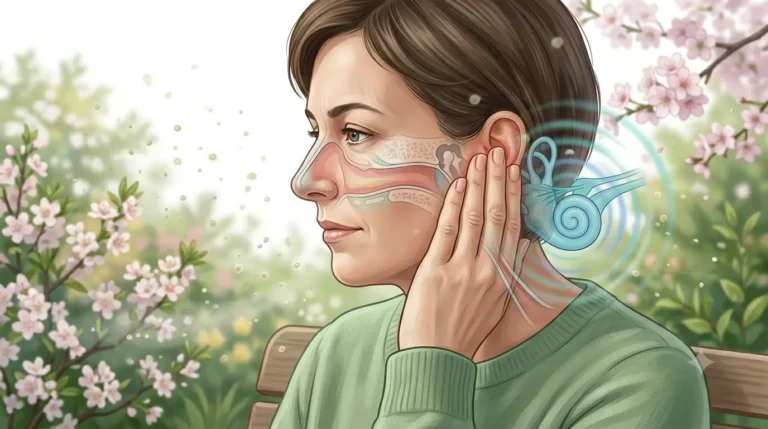
Is Silence Bad for Tinnitus?
Expert Summary: Complete silence can make tinnitus more noticeable for many people because there are fewer external sounds to mask internal ringing. This guide explains why quiet environments affect tinnitus and how gentle background sounds may help improve comfort.
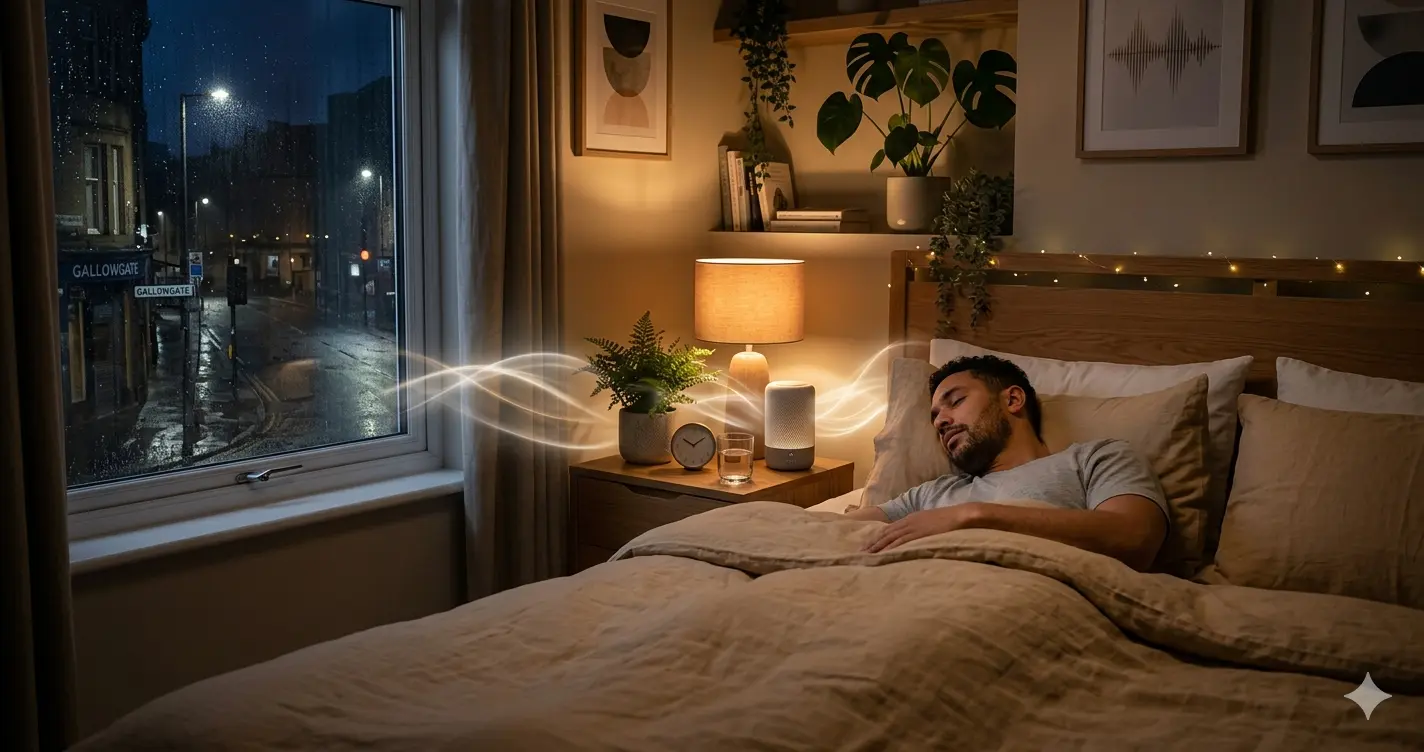
Many people with tinnitus notice their ear ringing becomes much more noticeable in quiet environments. A silent bedroom, empty office, or peaceful nighttime setting may suddenly make ringing, buzzing, or humming sounds feel louder and harder to ignore.
This often leads to an important question:
Is complete silence actually bad for tinnitus?
While silence itself does not usually damage hearing, many tinnitus sufferers find that extremely quiet environments increase awareness of internal sounds. This is why gentle background sound is commonly used as part of tinnitus management and sleep routines.
In this guide, we’ll explore why tinnitus often feels louder in silence and how calming sound environments may help support relief.
Quick Answer
Silence is not necessarily harmful, but very quiet environments may make tinnitus feel louder and more noticeable. Many people find that soft background sounds like rain, white noise, or fans help reduce awareness of ringing and create a more comfortable listening environment.
What This Guide Covers
- Why does tinnitus feel louder in silence
- How the brain reacts to quiet environments
- Why background sounds may help
- Best sound options for nighttime comfort
- Healthy listening habits for tinnitus management
Why Does Tinnitus Feel Worse in Silence?
During the day, the brain constantly processes outside sounds such as:
- Conversations
- Traffic
- Television
- Music
- Household activity
- Nature sounds
These sounds help distract attention away from internal ringing or buzzing sensations.
In silent environments, those distractions disappear. As a result, the brain may focus more on tinnitus sounds, making them feel stronger or more noticeable.
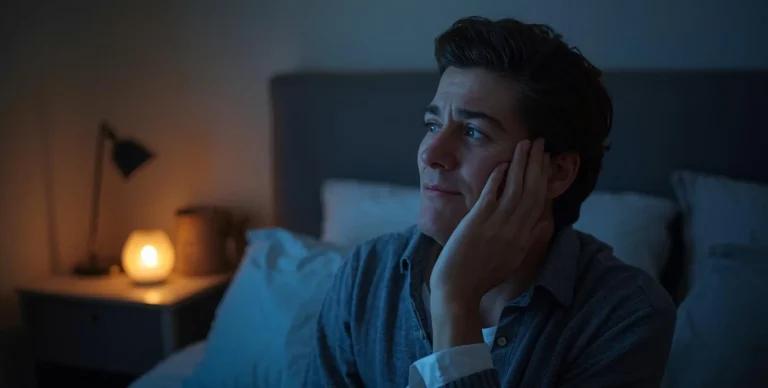
This is especially common at night when people are trying to relax or fall asleep.
How the Brain Responds to Quiet Environments
The brain naturally pays more attention to sounds in quiet surroundings. When there is little external audio stimulation, internal sounds may stand out more clearly.
For some people, this increased awareness may lead to:
- Stress
- Anxiety
- Sleep difficulties
- Frustration
- Hyper-focus on tinnitus
Over time, emotional stress may further increase awareness of ringing sounds.
Does Silence Damage Hearing?
No, silence itself does not usually harm hearing.
However, complete silence may feel uncomfortable for people with tinnitus because there are no competing sounds to help reduce awareness of ringing.
This is why many people choose to use gentle background sound for comfort and relaxation.
Why Background Sounds May Help
Soft environmental sound may help reduce the contrast between silence and tinnitus.
The goal is not necessarily to completely block tinnitus, but to make it feel less dominant and emotionally overwhelming.
Many people find that calming sounds create a more peaceful listening environment, especially during sleep or stressful moments.
Best Sounds for Tinnitus Relief
Different sounds work better for different people. Commonly used options include:
- Rain sounds
- Ocean waves
- White noise
- Brown noise
- Soft fan sounds
- Flowing water
- Nature ambience
- Gentle instrumental music
The ideal sound is usually soft, calming, and non-distracting.
Why Tinnitus Often Feels Worse at Night
Nighttime is one of the most common times for tinnitus discomfort because:
- The environment becomes quieter
- The brain has fewer distractions
- Stress and fatigue may increase awareness
- People become more focused on internal sensations
This can make it difficult to relax or fall asleep.
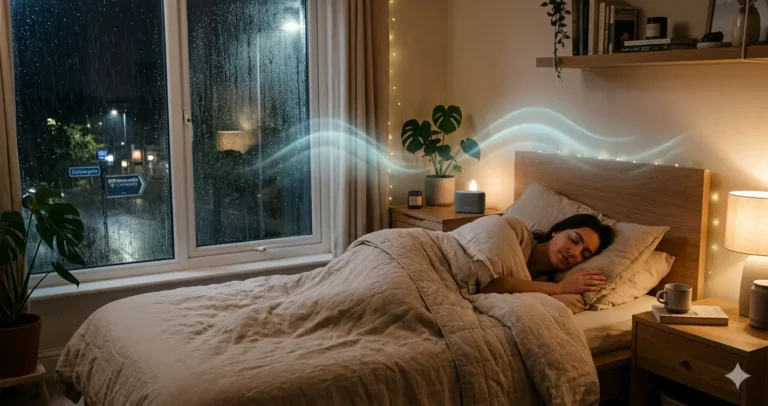
Using calming nighttime sounds may help create a more comfortable bedtime environment.
Many people find that gentle background sounds make tinnitus less noticeable. Explore some options in Best Natural Sounds for Tinnitus Relief.
Healthy Sound Habits for Tinnitus
When using sound therapy or background noise, it is important to keep volume levels comfortable and safe.
Helpful listening habits include:
- Keeping sound at low or moderate volume
- Avoiding prolonged loud headphone use
- Using soft background sounds rather than harsh audio
- Taking breaks from earbuds and headphones
- Protecting hearing in loud environments
Excessively loud sound may place additional stress on hearing health.
Can Stress Make Tinnitus Feel Worse?
Yes. Stress and anxiety may increase awareness of tinnitus symptoms for many people.
When stress levels rise, the brain may become more alert and sensitive to internal sounds.
This is why relaxation techniques and healthy sleep habits are often discussed alongside tinnitus management.
Simple Relaxation Habits That May Help
Many people combine calming sounds with relaxation routines such as:
- Deep breathing exercises
- Meditation
- Gentle stretching
- Mindfulness practices
- Healthy sleep schedules
- Reducing screen time before bed
Consistency often matters more than dramatic lifestyle changes.
When Should You Seek Professional Advice?
You should speak with a healthcare professional if tinnitus becomes severe, sudden, emotionally overwhelming, or connected to:
- Sudden hearing loss
- Balance problems
- Dizziness
- Persistent ear pain
- One-sided tinnitus
This article is for educational purposes only and is not medical advice.
Key Takeaways
- Silence itself is not harmful, but it may increase awareness of tinnitus
- Quiet environments can make ringing feel louder and more noticeable
- Soft background sounds may help reduce contrast with tinnitus
- Nighttime silence is a common trigger for tinnitus discomfort
- Healthy sleep and stress management habits may support relief
Medical Disclaimer: This content is for educational and informational purposes only and is not medical advice. Always consult a qualified healthcare professional regarding hearing concerns, tinnitus symptoms, or medical conditions.
Frequently Asked Questions
Should I avoid complete silence with tinnitus?
Many people find gentle background sounds more comfortable than complete silence, especially at night.
What sounds are best for tinnitus?
Rainfall, ocean waves, white noise, and soft nature sounds are commonly used for tinnitus relief.
Can silence make tinnitus permanently worse?
Silence does not usually damage hearing, but it may temporarily increase awareness of tinnitus symptoms.
Why is tinnitus louder in quiet rooms?
Without outside sound distractions, the brain may focus more attention on internal ringing or buzzing sounds.
Can stress affect tinnitus?
Yes. Stress and anxiety may increase tinnitus awareness and emotional discomfort for some people.
If your symptoms seem strongest after dark, you may also find helpful tips in Why Your Ears Ring More at Night (And How to Fix It Naturally).
Medical Sources Reviewed
- National Institute on Deafness and Other Communication Disorders (NIDCD)
- NHS
- Mayo Clinic
- Cleveland Clinic
- World Health Organisation (WHO Safe Listening Initiative)
Final Thoughts
Silence itself is not dangerous, but very quiet environments may make tinnitus feel more noticeable and emotionally overwhelming. This is why many people prefer soft background sound while relaxing, working, or sleeping.
Calming sounds, healthy sleep habits, stress management, and gentle daily routines may all help support long-term comfort and overall wellness.
Small, consistent changes often make the biggest difference over time.
👉 Download the Free 7-Day Tinnitus Relief Plan
Discover simple daily habits designed to support better sleep, reduced stress, and improved ear wellness naturally.