Can Allergies Make Tinnitus Worse? Understanding the Ear-Sinus Connection
Expert Summary: Allergies do not usually cause chronic tinnitus directly, but congestion and inflammation can temporarily increase tinnitus awareness. Managing allergy symptoms may help reduce tinnitus flare-ups in some individuals.
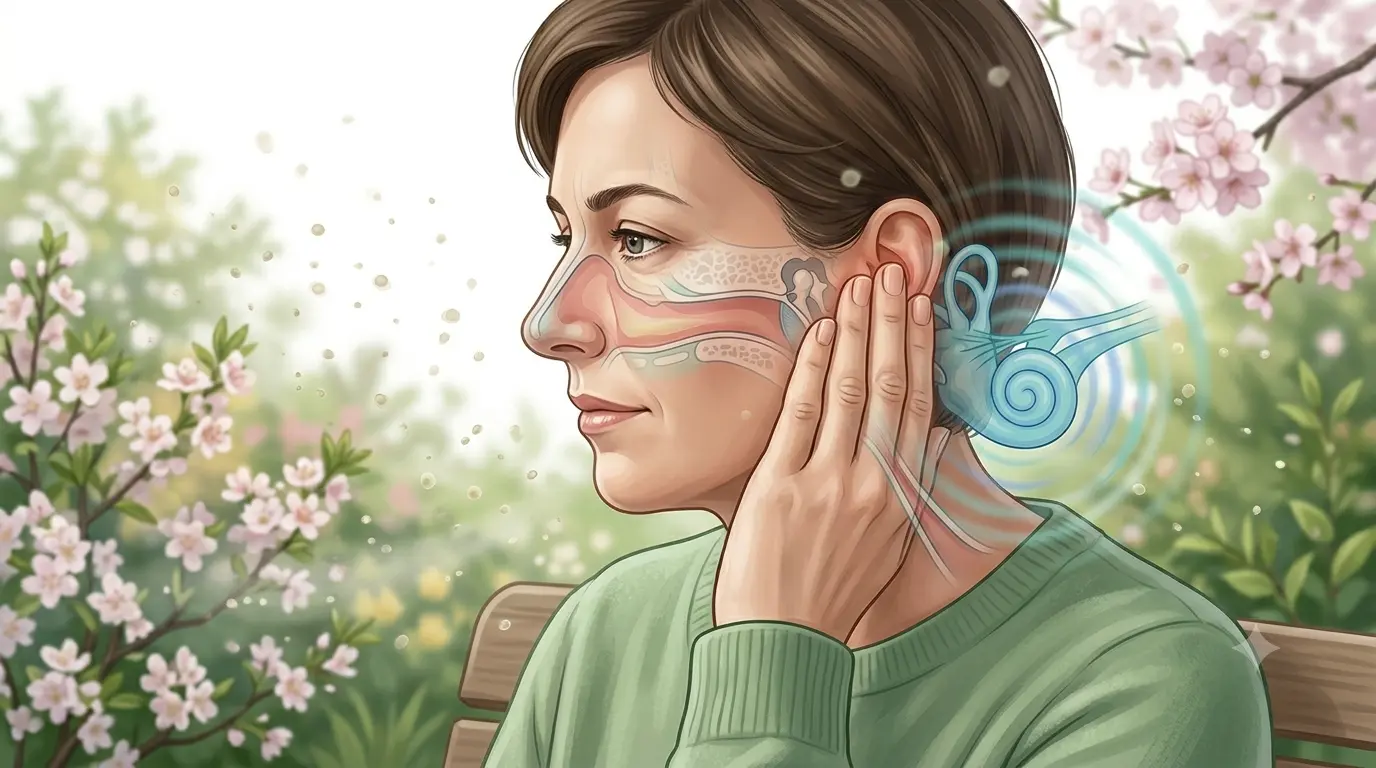
Many people notice that their tinnitus seems louder during allergy season. If you’ve ever experienced increased ringing, buzzing, or humming in your ears while dealing with a stuffy nose, sinus pressure, or seasonal allergies, you’re not alone. Although allergies do not usually directly cause chronic tinnitus, they can create conditions that make existing tinnitus more noticeable. Congestion, inflammation, pressure changes, and temporary hearing difficulties can all contribute to a tinnitus flare-up. The good news is that when allergy symptoms improve, tinnitus often returns to its usual baseline level.
Quick Answer
Yes, allergies can sometimes make tinnitus worse. Allergic reactions may cause inflammation, congestion, sinus pressure, and Eustachian tube dysfunction, all of which can affect how sound is processed in the ears. These changes may temporarily increase awareness of ringing, buzzing, humming, or other tinnitus sounds.
Can Allergies Make Tinnitus Worse? (Featured Snippet Answer)
Allergies can worsen tinnitus by causing inflammation and pressure changes in the ears and surrounding structures. When allergies lead to congestion or blocked Eustachian tubes, tinnitus may feel louder or more noticeable. Managing allergy symptoms may help reduce temporary tinnitus flare-ups.
What This Guide Covers
- Can allergies worsen tinnitus?
- The connection between allergies and ear pressure
- How Eustachian tube dysfunction affects tinnitus
- Common allergy triggers
- Seasonal versus year-round allergies
- Managing allergy-related tinnitus
- When to seek medical advice
What Are Allergies?
Allergies occur when the immune system reacts to a substance that is normally harmless. These substances, known as allergens, trigger the release of chemicals such as histamine that create inflammation throughout the body.
Common allergy symptoms include:
- Sneezing
- Runny nose
- Nasal congestion
- Itchy eyes
- Sinus pressure
- Postnasal drip
- Ear pressure
For some individuals, allergies are seasonal and occur during periods of high pollen counts. Others experience year-round allergies caused by dust mites, pet dander, mould, or other indoor allergens.
While most people think of allergies as a nose and sinus problem, allergies can also affect the ears.
What Is Tinnitus?
Tinnitus is the perception of sound without an external source. It is commonly described as:
- Ringing
- Buzzing
- Humming
- Hissing
- Roaring
- Clicking
- Whistling
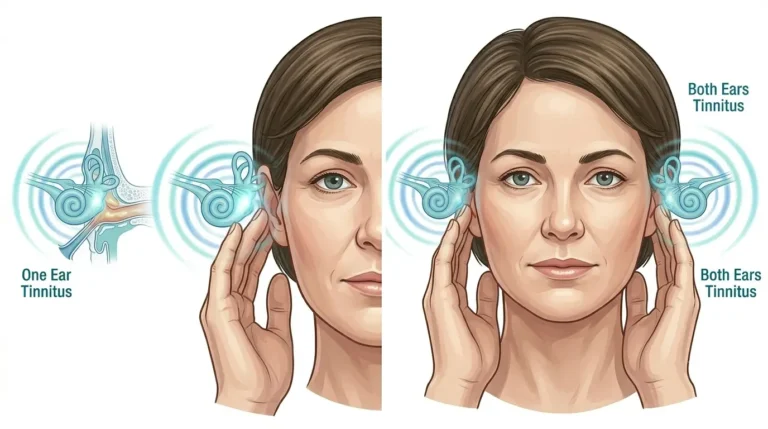
The sound may occur in one ear, both ears, or seem to come from inside the head.
As discussed in our guide on What Does Tinnitus Sound Like?, tinnitus can vary significantly from person to person. Some individuals barely notice it, while others find it disruptive to sleep, concentration, and daily activities.
Because tinnitus is a symptom rather than a disease itself, many different factors can influence how noticeable it feels, including allergies.
Can Allergies Make Tinnitus Worse?
Yes, they can.
While allergies are not considered a common root cause of chronic tinnitus, they can create temporary changes within the ear and surrounding structures that increase awareness of tinnitus sounds.
Many people report that their tinnitus becomes more noticeable during:
- Spring allergy season
- High pollen days
- Sinus infections
- Severe nasal congestion
- Allergy flare-ups
This usually happens because allergies affect hearing and ear pressure rather than directly affecting tinnitus itself.
When normal hearing is disrupted by congestion or inflammation, internal sounds often become easier to notice.
As a result, ringing, buzzing, or humming may seem louder than usual.
How Allergies Affect the Ears
Understanding the relationship between allergies and tinnitus requires understanding how allergies can affect the ear’s normal function.
Eustachian Tube Dysfunction
One of the most common reasons allergies worsen tinnitus is Eustachian tube dysfunction.
The Eustachian tubes are small passages that connect the middle ear to the back of the nose and throat.
Their primary jobs are to:
- Equalise pressure inside the ears
- Drain fluid from the middle ear
- Maintain normal ear function
During an allergic reaction, the tissues surrounding these tubes can become swollen and inflamed.
When this happens:
- The tubes may not open properly
- Pressure may build inside the ear
- Hearing may feel muffled
- Ear fullness may develop
These changes can make tinnitus more noticeable.
Some people describe this sensation as feeling like their ears are plugged during allergy season.
Ear Pressure Changes
Pressure changes inside the ear can significantly influence how tinnitus feels.
When pressure builds behind the eardrum, people may experience:
- Fullness in the ears
- Popping sensations
- Mild discomfort
- Temporary hearing changes
These symptoms can make tinnitus seem louder, even if the tinnitus itself has not changed.
Many individuals report that once ear pressure returns to normal, their tinnitus becomes less intrusive.
Temporary Hearing Changes
Congestion associated with allergies may reduce the amount of sound reaching the inner ear.
When external sounds become muffled, the brain has fewer outside sounds to focus on.
As a result, internal sounds such as tinnitus often stand out more clearly.
This is similar to why tinnitus frequently feels louder in a quiet room.
The tinnitus may not actually be louder, but it becomes easier to notice.
While allergies can worsen tinnitus temporarily, other ear-related issues may also contribute. Learn more in our guide on Can Earwax Cause Tinnitus?
Increased Awareness of Internal Sounds
Allergies can also make people more aware of bodily sensations.
When dealing with:
- Sinus pressure
- Congestion
- Headaches
- Fatigue
- Poor sleep
Many people naturally become more focused on symptoms occurring within the body.
This increased awareness can make tinnitus feel more prominent.
Seasonal Allergies and Tinnitus
Seasonal allergies are one of the most common reasons people notice temporary tinnitus flare-ups.
Symptoms often worsen during periods when pollen counts are high.
Tree Pollen Allergies
Tree pollen is a common trigger during spring.
People sensitive to tree pollen may experience:
- Congestion
- Sneezing
- Ear pressure
- Temporary tinnitus aggravation
Grass Pollen Allergies
Grass pollen often peaks during late spring and summer.
For some individuals, tinnitus becomes more noticeable during these periods due to increased congestion and inflammation.
Weed Pollen Allergies
Certain weeds release pollen later in the year.
These allergens may contribute to recurring ear pressure and tinnitus symptoms in susceptible individuals.
Mold Allergies
Mould spores can trigger symptoms both indoors and outdoors.
Because mould exposure can occur year-round, some people experience ongoing allergy-related ear symptoms rather than seasonal flare-ups.
Can Sinus Congestion Make Tinnitus Worse?
Sinus congestion is one of the most common reasons people connect allergies and tinnitus.
The ears, nose, throat, and sinuses are closely connected.
When congestion develops:
- Pressure can build throughout the sinus cavities
- Drainage pathways may become blocked
- Eustachian tube function may be affected
- Hearing may temporarily change
These changes can increase awareness of tinnitus.
Many people notice that their ringing seems strongest when:
- Their nose is completely blocked
- Sinus pressure is severe
- They are experiencing a cold-like allergy flare-up
In many cases, improving sinus congestion also helps reduce the intensity of the tinnitus flare-up.
Common Symptoms of Allergy-Related Ear Problems
When allergies affect the ears, symptoms often extend beyond sneezing and nasal congestion. Many people experience ear-related symptoms that can make tinnitus more noticeable.
Common symptoms include:
- Ear fullness or pressure
- Ringing in the ears
- Buzzing or humming sounds
- Muffled hearing
- Popping sensations in the ears
- Mild ear discomfort
- Increased sensitivity to sound
- Temporary hearing fluctuations
- Sinus pressure around the ears
- A feeling that the ears are blocked
These symptoms often appear alongside traditional allergy symptoms such as:
- Sneezing
- Runny nose
- Nasal congestion
- Itchy eyes
- Postnasal drip
- Sinus headaches
Because allergies can affect both the nasal passages and the Eustachian tubes, it is not uncommon for ear symptoms and tinnitus flare-ups to occur at the same time.
Can Allergy Medications Affect Tinnitus?
Many people wonder whether allergy medications can help—or potentially worsen—their tinnitus symptoms.
The answer depends on the individual and the specific medication being used.
Antihistamines
Antihistamines are commonly used to reduce allergy symptoms by blocking the effects of histamine.
For some people, antihistamines may indirectly help tinnitus by reducing:
- Nasal congestion
- Ear pressure
- Eustachian tube dysfunction
- Sinus inflammation
When these allergy-related issues improve, tinnitus may become less noticeable.
Decongestants
Decongestants are designed to reduce swelling in the nasal passages and improve airflow.
Some individuals find temporary relief from ear pressure when using decongestants.
However, decongestants can occasionally increase feelings of nervousness, restlessness, or elevated heart rate in sensitive individuals, which may indirectly affect how tinnitus is perceived.
Nasal Steroid Sprays
Prescription or over-the-counter nasal steroid sprays are often used to reduce inflammation associated with allergies.
By helping reduce swelling around the Eustachian tubes, they may improve ear pressure issues that contribute to tinnitus flare-ups.
Individual Responses Vary
Not everyone responds to medications in the same way.
If you believe a medication is affecting your tinnitus, discuss your concerns with a healthcare professional before making changes to your treatment plan.
How to Manage Allergy-Related Tinnitus
Although there is no single solution that works for everyone, managing allergy symptoms can often reduce the impact of allergy-related tinnitus flare-ups.
Identify Your Allergy Triggers
Understanding what triggers your allergies can help reduce exposure.
Common triggers include:
- Tree pollen
- Grass pollen
- Weed pollen
- Dust mites
- Pet dander
- Mold
Keeping track of symptoms may help identify patterns.
Monitor Pollen Levels
During allergy season, checking local pollen forecasts can help you plan outdoor activities.
On high-pollen days, some people choose to:
- Keep windows closed
- Limit outdoor exposure
- Use air conditioning
- Shower after spending time outdoors
Use Saline Nasal Rinses
Saline rinses can help clear allergens and mucus from the nasal passages.
Many people find this helps reduce congestion and improve overall comfort during allergy season.
Stay Hydrated
Proper hydration supports normal mucus function and may help reduce feelings of congestion.
Aim to maintain healthy hydration throughout the day, particularly during periods of increased allergy symptoms.
Prioritize Sleep
Poor sleep can make tinnitus feel more intrusive.
When allergies interfere with sleep, tinnitus often becomes more noticeable.
If sleep difficulties are contributing to symptoms, you may find our guide on Can Lack of Sleep Make Tinnitus Worse? helpful.
Manage Stress Levels
Stress and tinnitus often influence one another.
During severe allergy flare-ups, frustration and discomfort may increase stress levels, making tinnitus feel more prominent.
You may also benefit from reading Can Stress Make Tinnitus Worse? Understanding the Connection.
Use Gentle Background Sound
Background sounds may help reduce contrast between tinnitus and a quiet environment.
Popular options include:
- White noise
- Rain sounds
- Ocean waves
- Nature sounds
- Soft instrumental music
For additional ideas, see Best Natural Sounds for Tinnitus Relief.
Follow Your Allergy Treatment Plan
If you have been advised to use allergy medications or other treatments, following your healthcare provider’s recommendations may help reduce allergy-related ear symptoms and improve comfort.
When to Seek Medical Advice
While allergy-related tinnitus flare-ups are often temporary, certain situations deserve professional evaluation.
Consider seeking medical advice if:
- Tinnitus starts suddenly
- Symptoms affect only one ear
- Hearing loss develops
- Dizziness or balance problems occur
- Symptoms continue after allergy symptoms improve
- Ear pain becomes severe
- Tinnitus significantly affects daily life
- Pulsing or heartbeat-like sounds develop
A healthcare professional can help determine whether allergies are contributing to your symptoms or whether additional evaluation may be appropriate.
Key Takeaways
- Allergies do not typically cause chronic tinnitus, but they can aggravate existing symptoms.
- Nasal congestion and inflammation may affect ear pressure and hearing.
- Eustachian tube dysfunction is a common reason tinnitus feels worse during allergy flare-ups.
- Seasonal allergies may temporarily increase ringing, buzzing, humming, or ear fullness.
- Managing allergy symptoms may help reduce tinnitus-related discomfort.
Medical Disclaimer: This content is for educational and informational purposes only and is not medical advice. Always consult a qualified healthcare professional regarding hearing concerns, tinnitus symptoms, or medical conditions.
Frequently Asked Questions
Can seasonal allergies make tinnitus worse?
Yes. Seasonal allergies can contribute to congestion, ear pressure, and Eustachian tube dysfunction, which may make tinnitus more noticeable.
Why does my tinnitus get louder during allergy season?
Inflammation and congestion may affect hearing and ear pressure, causing tinnitus to stand out more than usual.
Can pollen cause tinnitus?
Pollen does not usually cause chronic tinnitus directly, but allergic reactions to pollen may temporarily worsen existing tinnitus symptoms.
Can sinus congestion affect tinnitus?
Yes. Sinus congestion can influence ear pressure and hearing, making tinnitus seem louder or more noticeable.
Can allergies cause ringing in one ear?
They can contribute to symptoms in one or both ears. However, persistent tinnitus in only one ear should be evaluated by a healthcare professional.
Can antihistamines help tinnitus?
Some people find that antihistamines indirectly help by reducing congestion and allergy symptoms that contribute to tinnitus flare-ups.
Can allergies cause ear pressure?
Yes. Allergic inflammation can affect the Eustachian tubes and create feelings of fullness or pressure in the ears.
How long does allergy-related tinnitus last?
It varies. For many people, symptoms improve as allergy symptoms and congestion improve.
Can allergies cause permanent tinnitus?
Allergies are generally not considered a common cause of permanent tinnitus. However, they may temporarily aggravate existing tinnitus.
Should I see a doctor if my allergies worsen my tinnitus?
If symptoms are severe, persistent, sudden, or accompanied by hearing loss or dizziness, professional medical advice is recommended.
Medical Sources Reviewed
- National Institute on Deafness and Other Communication Disorders (NIDCD)
- NHS
- Mayo Clinic
- Cleveland Clinic
- American Academy of Otolaryngology–Head and Neck Surgery
Final Thoughts
If you’ve ever noticed your tinnitus becoming louder during allergy season, there may be a good reason. Allergies can affect the ears through congestion, inflammation, sinus pressure, and Eustachian tube dysfunction, all of which can make ringing, buzzing, or humming sounds more noticeable.
Fortunately, allergy-related tinnitus flare-ups are often temporary. As congestion improves and ear pressure returns to normal, many people find that their tinnitus settles back to its usual level.
Understanding the connection between allergies and tinnitus can help you recognise potential triggers and take practical steps to manage symptoms more effectively. By controlling allergies, prioritising sleep, managing stress, and protecting your overall ear health, you may be able to reduce the impact that seasonal flare-ups have on your daily life.
👉 Download the Free 7-Day Tinnitus Relief Plan
Discover simple daily habits designed to support better sleep, reduced stress, and improved ear wellness naturally.